Artificial Intelligence is changing the way doctors figure out what is wrong with people. Before doctors had to spend a lot of time looking at pictures of the inside of our bodies and lab work. Now doctors can get the answers they need often with results using Artificial Intelligence.
So how does Artificial Intelligence work?
It is actually very simple. An Artificial Intelligence system looks at lots of information. Find things that are the same. This helps Artificial Intelligence find problems that a doctor may miss which makes doctors trust Artificial Intelligence findings more and reduces the time to figure out what is wrong.
Artificial Intelligence is now becoming a tool that doctors use around the world in hospitals and doctors offices.
It is being used to help analyze our histories, lab results, pictures of the inside of our bodies and even our DNA. One thing to understand is that Artificial Intelligence is a bit like people. The information you give it the better it gets. Artificial Intelligence learns to identify things, which helps doctors make decisions on how to treat us.
One area where Artificial Intelligence is helping is with pictures.
Artificial Intelligence can look at pictures of the inside of our bodies like x-rays, MRIs, CT scans, ultrasounds and mammograms to find signs of disease earlier than before. Another big area for Artificial Intelligence is cancer. Artificial Intelligence is already being used to identify cancer. It is being used to identify lung and skin cancers. It is also finding types of problems that doctors often miss.
Cancer is easiest to treat
when it is found early which makes finding cancer with Artificial Intelligence really important. Mammograms are one area where Artificial Intelligence is used. Artificial Intelligence uses the pictures to flag any signs of abnormality for the doctor to look at which reduces the number of mistakes and saves the doctor and patient time.
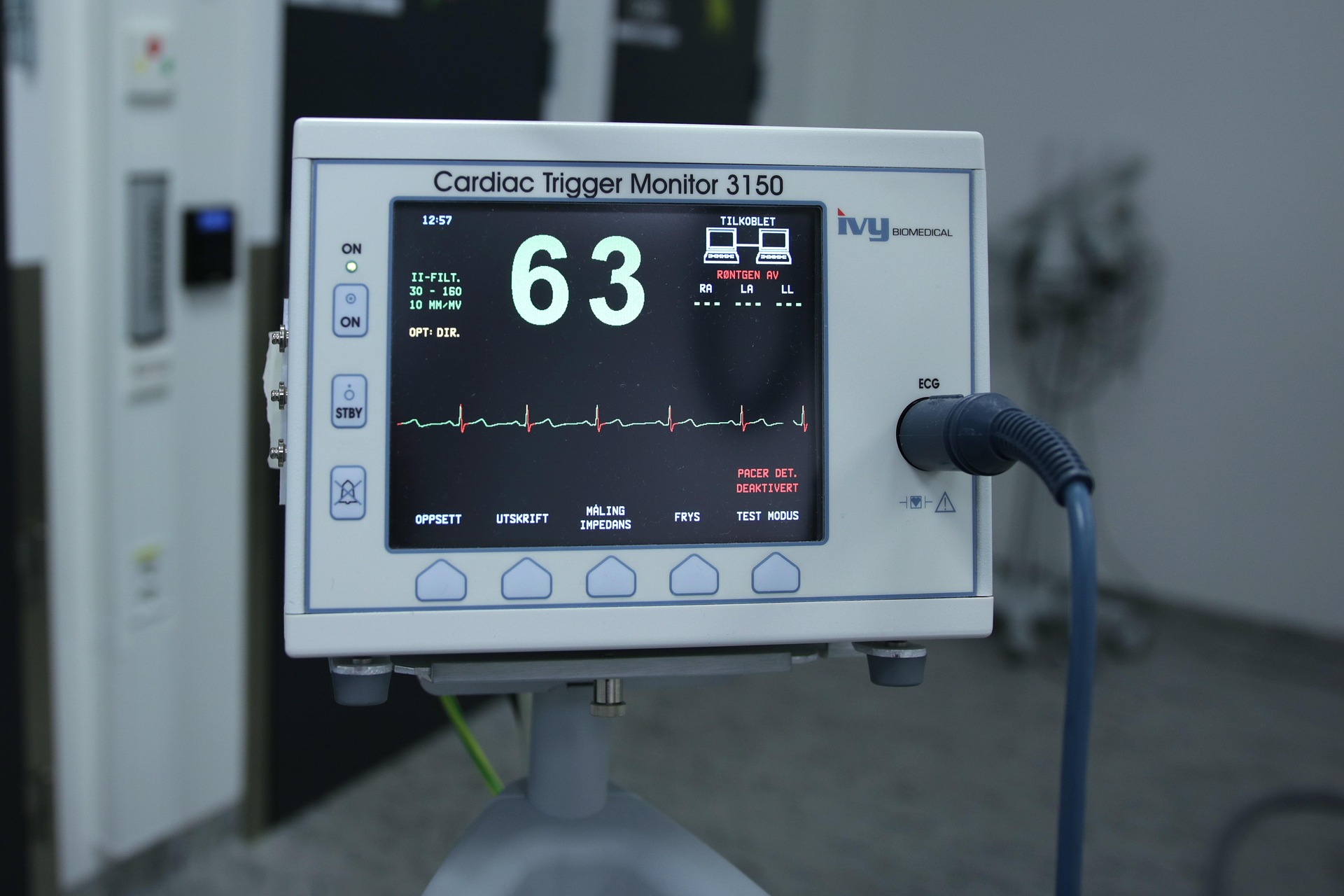
Artificial Intelligence has also been useful for our hearts.
By looking at our heart test results blood pressure, cholesterol and lifestyles it has been shown to detect signs of heart disease. It can even detect warning signs for heart attacks before they happen. With all these advantages it is not surprising to see that these benefits go beyond just figuring out what is wrong and include predicting what will happen and even the treatment stages too.
Even devices on our wrist use Artificial Intelligence
It monitors our health and alerts us of abnormalities. Problems that benefit from Artificial Intelligences ability to detect them include Alzheimers, Parkinsons, epilepsy and stroke. These problems can all be diagnosed in their stages allowing treatment plans to start earlier for an outcome.
In times of crisis such as with COVID-19 Artificial Intelligence
AI has been used to help analyze results and predict the course of the virus. Monitor people. Especially when human analysis is not possible in numbers ,Artificial Intelligence’s ability to look at amounts of information in seconds gives it an advantage over human capabilities.
As mentioned in a laboratory
Artificial Intelligence also acts to speed up tests from blood and urine results to analyzing our DNA for diseases. This can be assessed quickly by the computer system. Where you can really see the benefits of Artificial Intelligence is when you get a result. It will look at your history and your body’s reaction to treatment plans in order to prescribe a plan for the patient. This maximizes the chances of success. Minimizes the risk of reactions.
Artificial Intelligence goes beyond problems flagging people at risk of illnesses
such as diabetes, kidney disease, cancer and mental health conditions. At its core Artificial Intelligence is based on Machine Learning, a type of Artificial Intelligence that uses information to allow computer systems to detect patterns and train for functions.
The advantages of using Artificial Intelligence for disease detection could not be clearer.
It means diagnoses are obtained in an amount of time and computers do not get tired. They also hardly miss any details. As it uses a lot of information Artificial Intelligence diagnoses become more precise, increasing knowledge and reducing the strain on doctors and nurses. This reduces costs. Ensures the treatment stages can be met quickly.
However there are some risks and issues associated with using Artificial Intelligence in healthcare.
There is the need for it to be safe, the cost of implementation and the vital requirement of the quality of the information being fed in. One aspect that cannot be lost is that even though it is technology human doctors still need to be at the center providing that touch.
The future looks to see a part for Artificial Intelligence within healthcare.
Researchers are constantly developing tools, from Artificial Intelligence-assisted surgery to testing, patient support systems and automated "smart hospitals." However as previously mentioned doctors will not be replaced. Supported. This means people will have diagnoses and possibly avoid becoming ill.
In short Artificial Intelligence is not just making medicine better
It is changing it by adding speed and increasing reliability while providing personalization. Despite there being privacy issues to sort out the positive effects on our health from Artificial Intelligence are predicted to be tremendous.
People ask questions,
How does it help doctors?
It looks at a lot of information. Finds things that are the same to aid their diagnosis.
Is it able to detect cancer?
Yes it is very good at finding cancer. It is more accurate than doctors and, with doctors it can improve diagnosis accuracy. It can detect heart disease, cancer, infections, diabetes and other conditions. Yes it can. Is
Is it replacing doctors?
Not at all. The challenges it faces include privacy, implementation costs and input information quality. Artificial Intelligence is a tool that helps doctors and it is changing the way doctors work with Artificial Intelligence.