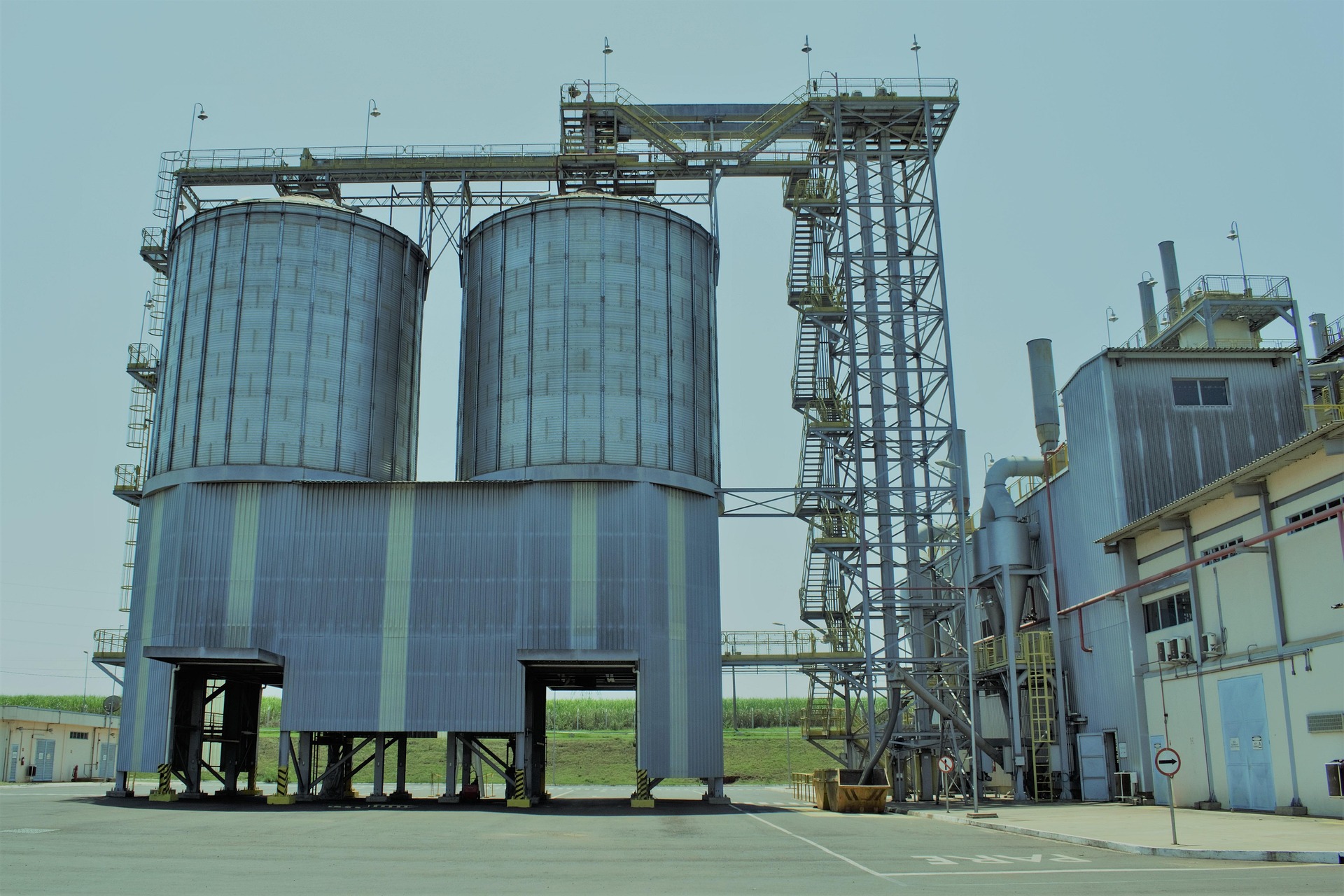
The sugar industry is not the same as it was before. By 2026 sugar mills will be filled with technology like machinery, automation and artificial intelligence to keep up with the times. The main goal is to get sugar out the door, cut costs ,improve quality and reduce the impact on the planet.
so while the main goal is to stay profitable the technology they are using does a lot more than just keep the lights on.
Lets break down the technologies you will find in today’s sugar manufacturing scene. And why they actually matter.
Everybody eats sugar. Most of it comes from sugarcane or sugar beets. Turning them into those little white crystals used to be backbreaking and wasteful work.. Things have changed fast. Automation, real-time monitoring and cleaner processes have taken over where hand labor and heavy fuel use once ruled.
Now modern sugar factories are producing quality sugar creating less waste and cutting pollution along the way.
1. Precision Agriculture Tech
Everything starts out in the fields. Precision agriculture tools let farmers make the most out of every acre. They use things like GPS-guided tractors that drive straight and do not miss spot drones that fly over fields and spot trouble sensors buried in the soil to check on roots and moisture satellite images showing crop health for miles and irrigation systems that know exactly when to water.
With these tools farmers can catch problems sooner, use water and fertilizer and boost the amount of sugar in each plant. Precision agriculture tech matters because it means harvests, lower cost per ton using resources smarter and higher sugar content in each crop.
2. Mechanized Harvesting
Dragging in sugarcane by hand is mostly a thing of the past. Specialized machines handle it now. They use automated harvesters that rip through fields fast cutting and cleaning as they go and big loaders that move the cane out for transport.
Why bother with harvesting? It is faster ,uses workers, loses less crop along the way and boosts output.
3. Automated Cane Handling
After the cane is cut it needs to move to the factory. Conveyors, automatic feeders and hydraulic unloaders keep everything flowing smoothly so the cane does not just. Dry out.
The perks of automated cane handling are production, less downtime and everything runs on schedule.
4. Cane Prep Technology
Before extracting juice mills shred the cane to pieces with cutters, shredders. Smaller pieces mean juice and less waste.
The results of cane prep technology are that sugar per ton of cane mills perform better and less trash to deal with.
5. Advanced Juice Extraction
Now is when the juice gets pulled from that shredded cane. Modern gear includes -roll mills and diffusers. Machines that squeeze and separate more efficiently with lower energy use.
What is better about juice extraction? It means sugar in each batch lower power bills and the whole extraction just runs smoother.
6. Automation and PLCs
Here is where sugar manufacturing really jumped forward. Systems. Like PLCs, SCADA and DCS. Run much of the mill watching every step and making adjustments without needing a crowd of humans.
Why do sugar mills use automation and PLCs everywhere? They monitor everything in time, reduce mistakes, keep the product consistent and create safer workplaces.
7. Artificial Intelligence and Data Analytics
By 2026 artificial intelligence is everywhere in sugar factories. It analyzes piles of production data, predicts when machines need fixing ,helps forecast how much sugar will get produced and keeps energy use in check.
The bottom line is that artificial intelligence and data analytics mean unplanned downtime repair bills drop more output from the same resources and managers can make better calls.
8. Juice Clarification
Raw juice is not pure. Clarifiers, filters and chemical treatments get rid of impurities leaving juice that makes higher-quality sugar in the end.
The benefits of juice clarification are cleaner crystals and more efficient processing.
9. Evaporation
With the stuff out now it is time to get rid of water. Multiple-effect and vacuum evaporators boil juice down quickly and efficiently saving energy and time.
This means lower energy costs, evaporation and production lines do not get clogged.
10. Crystallization
This is where syrup turns into sugar. Modern vacuum pans, computer-controlled crystallizers and digital monitoring give crystal shapes and dependable results, batch after batch.
This boosts product consistency, quality that buyers like and output per hour.
11. Centrifugal Separation
After crystallization high-speed centrifuges spin the sugar crystals out from the syrup. Automated separation prevents losses. Protects quality.
Why use separation? Processing purity stays high and less product is wasted.
12. Energy Generation from Bagasse
Sugar mills make tons of plant waste called bagasse. Rather than tossing it mills burn bagasse in high-pressure boilers to generate their steam and electricity with systems like cogeneration plants and steam turbines.
The benefits of energy generation from bagasse are that it slashes energy bills, runs the facility on power and less carbon is in the air.
13. Water Treatment
Sugar factories use a lot of water. Today’s mills recycle water using recycling units, reverse osmosis and full-scale wastewater plants.
The upsides of water treatment are water savings meeting regulatory standards and keeping operations sustainable.
14. Environmental Monitoring
Mills watch their emissions, air quality and waste around the clock. Sensors and digital tools help them stay within limits and spot problems early.
The benefits of monitoring are less pollution, better environmental management.
15. Industrial Internet of Things (IIoT)
Think of the IIoT as a high-speed network tying together all equipment, sensors and controls. It gives managers a real-time map of what's happening so they can fix problems before they grow. And keep machines humming.
What does it mean to have IIoT in sugar manufacturing? It means uptime machines last longer and the line works smarter not harder.
What's Next for Sugar Manufacturing Tech?
Looking ahead a wave of emerging technologies is on the way. These include AI-driven factories that adjust themselves automatically to digital twins for running virtual tests before changing real equipment, self-driving harvesters, robots in packaging rooms, even better ways to use renewables and blockchain to track everything from farmer to buyer.
These will make sugar production faster, greener and. Importantly. More profitable.
By 2026 the sugar industry has machines, sensors and smart tech working at every step from field all the way to finished sugar. Plants that invest in systems, automation and sustainability are the ones that thrive meeting tighter global rules and cutting waste. As new tech keeps rolling, expect sugar manufacturing to get sharper, leaner and a lot more planet-friendly.
Frequently Asked Questions
1. What's the important tech in sugar mills today?
The important tech in sugar mills today is automation. Things like PLCs, SCADA and artificial intelligence manage everything from production to quality keeping plants smooth and efficient.
2. Where does artificial intelligence fit in?
Artificial intelligence helps with maintenance, quality checks, energy use, production forecasts and even some process controls. That means improvements all over the factory.
3. What is precision agriculture?
Precision agriculture is using GPS, drones, sensors and satellites to monitor crops ,optimize water and fertilizer use and get bigger and better yields from the field.
4. Why use automated harvesters?
Automated harvesters speed up the harvest, cut labor costs, save more of each crop and push productivity up.
5. What do PLC systems do?
PLC systems automatically control the machines and steps, in the mill making sure everything is accurate, reliable and efficient. No matter the conditions.
https://hexagon.com/resources/resource-library/5-technologies-capable-of-enhancing-productivity