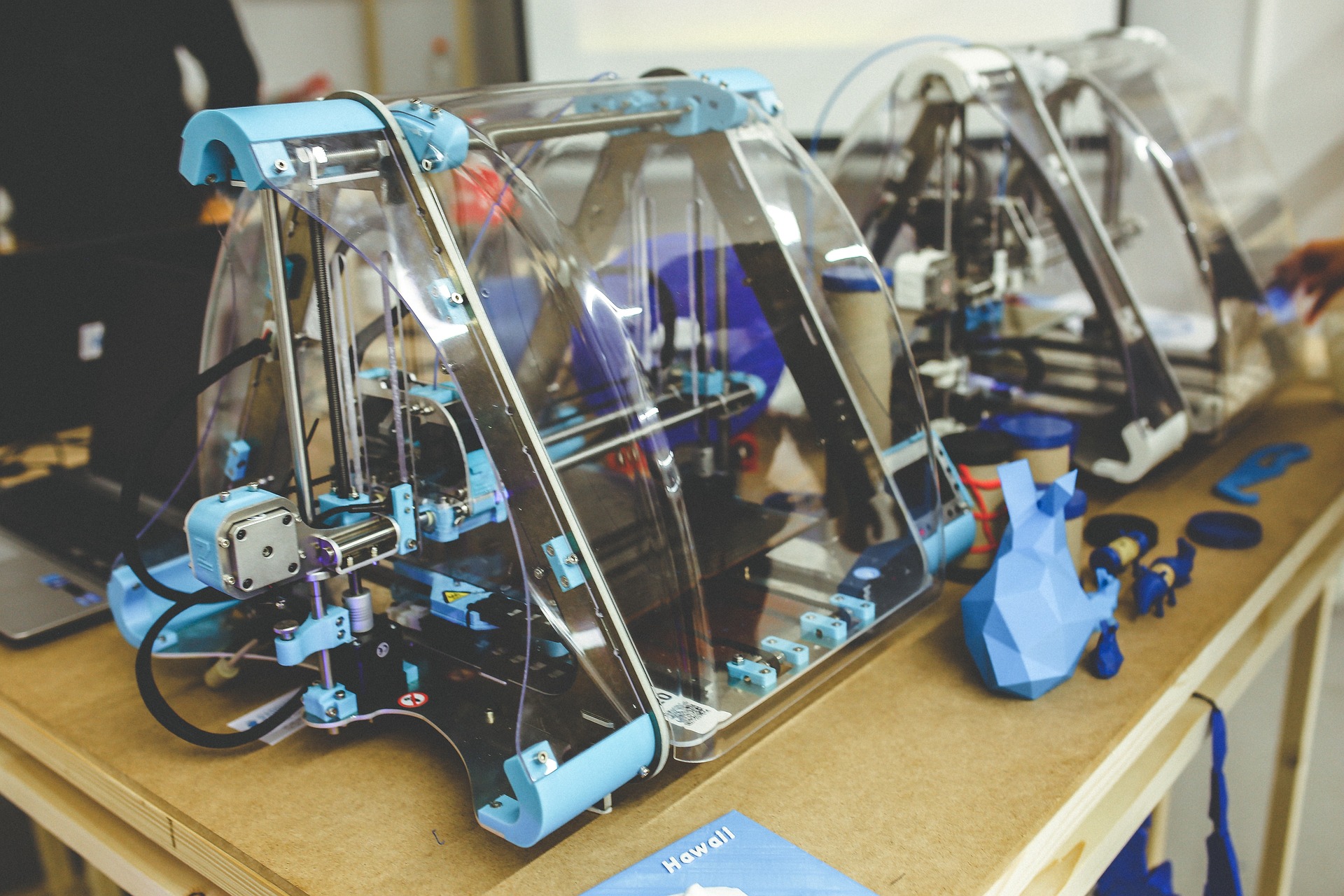
Which technology is used in plastic manufacturing in 2026, injection molding and blow molding technology yeah.
Plastic manufacturing is still one of the important industries in 2026 supplying products for packaging, automotive output, healthcare, electronics, construction and all those everyday consumer things. Since demand is rising for plastic products but also more sustainable ones ,plastic manufacturing companies are working harder to adopt newer production methods to boost efficiency, precision and also environmental results.
In 2026 some of the usual technologies in plastic manufacturing are plastic manufacturing technologies like injection molding and blow molding. These approaches help factories produce millions of components with pretty steady quality, lower waste and really fast output especially when production volume goes up.
In this article we go through what technologies are used in plastic manufacturing in 2026 mainly injection molding and blow molding plus how they work ,what they offer, where you’ll see them and what kind of progress may happen later.
The Evolution of Plastic Manufacturing
Plastic manufacturing has changed a lot in the decade. Old school production got upgraded with things like
* automation
* AI-based quality control
* Robotic handling systems
* Energy saving machinery
* Real-time production monitoring
All of that makes plastic production faster, more accurate and more environmentally friendly compared to earlier years ,basically it got better across the board.
What Is Injection Molding Technology?
Injection molding is one of the used manufacturing processes for producing plastic parts especially in large volumes.
The method melts the plastic material then injects it into a custom mold under pressure. After the plastic cools down and solidifies, the finished part pops out from the mold like it’s basically automatic.
This technology stays popular because it brings precision, speed and repeatability every time.
How Injection Molding Works
Step 1: material feeding
Plastic pellets get poured into a hopper that connects to the molding machine.
Step 2: Melting process
The pellets move into a barrel,
where they turn into a liquid plastic form.
Step 3: Injection stage
A screw system pushes the plastic into the mold cavity using high pressure .
Step 4: Cooling phase
The plastic cools inside the mold until it becomes solid.
Step 5: Product ejection
The mold. The finished component is removed automatically.
Then the cycle repeats again for production without stopping much.
Advantages of Injection Molding
* High production speed
A lot of parts can be produced quickly with consistent output.
* Excellent accuracy
Injection molding can form precise products even with tight dimensions.
* Minimal material waste
Modern machines often recycle leftover plastic less material ends up wasted.
* Automation compatibility
Robotic systems can. Manage parts on their own,raising productivity.
* Cost-effective for production
When production runs are huge the cost per unit drops clearly.
Applications of Injection Molding in 2026
In 2026 injection molding is used across industries like
* Automotive industry
Dashboard components
Interior panels
Lighting housings
Engine covers
* Medical industry
Syringes
Medical containers
Laboratory equipment
* Consumer products
Toys
Storage containers
* Electronics
Smartphone cases
Electrical housings
Smart Injection Molding Technology in 2026
Injection molding machines today have more advanced features for example:
* AI quality inspection
Artificial intelligence watches for defects during production.
* IoT connectivity
Machines share real time production data with factory management systems.
* Predictive maintenance
Sensors detect wear earlier before equipment failures show up.
* Energy optimization
Smart controls can lower energy use while operating.
These upgrades improve efficiency and can reduce manufacturing costs so the line usually runs smoother.
What Is Blow Molding Technology?
Blow molding is another plastic manufacturing process mainly used to create hollow plastic items.
It’s commonly picked for making:
* Water bottles
* Beverage containers
* Fuel tanks
* packaging
The basic concept is that heated plastic is inflated inside a mold until it fills the mold shape and becomes the form.
How Blow Molding Works
Step 1 creating the tube
A heated plastic tube called a parison gets formed.
Step 2 mold placement
The parison goes between two mold halves.
Step 3 air injection
Compressed air gets blown into the tube.
Step 4 expansion
The plastic expands, more or less against the mold walls.
Step 5 cooling
The material cools down and hardens into its shape.
Step 6 product removal
The mold. The finished item comes out easy.
Types of Blow Molding Used in 2026
* Extrusion Blow Molding
This method keeps extruding plastic then it is shaped using air pressure.
Common uses include
containers, chemical tanks
* Injection Blow Molding
Here injection molding and blow molding get combined so you can make containers that are very precise.
Used for
Pharmaceutical bottles cosmetic packaging
containers
* Stretch Blow Molding
The plastic gets stretched first before inflation to raise strength.
Common applications
Soft drink bottles, water bottles
Food packaging
Advantages of Blow Molding
* Ideal for hollow products
Blow molding makes hollow containers pretty efficiently like it’s just made for those kinds of shapes
* Fast production
Large amounts can be produced at a pace
* Low material usage
The process uses plastic pretty well so waste goes down. Not totally gone but it drops
* Strong and durable products
Modern blow-molded items give strength and real durability
* Flexible design options
Manufacturers can make containers with different sizes plus varied shapes basically a lot of creative room there
Injection Molding vs Blow Molding
Feature | Injection Molding | Blow Molding
Product type | Solid parts | Hollow products
Precision | High | High
Production speed | Fast | Fast
Material usage | Efficient | Efficient
Common products | Automotive Parts, Electronics | Bottles Containers
Complexity | High Detail | Hollow Designs
Both technologies play a crucial role in modern plastic manufacturing.
Sustainability in Plastic Manufacturing 2026
Environmental worries are pushing changes across the industry and honestly it’s starting to show in daily production
Modern manufacturing facilities now focus on
* Recycled plastic usage
Many products are made using recycled materials, which helps reduce reliance on fresh resins
* Energy efficient equipment
New machines use much less electricity and the savings add up fast
* Waste reduction systems
Advanced recycling setups reuse production scrap so there is stop-and-go more reuse
* Eco friendly materials
Bioplastics and biodegradable polymers are showing up more and more
These efforts help environmental impact while product quality stays steady more or less
Future Trends in Plastic Manufacturing
The future of plastic production looks super innovative and also a bit unpredictable too
* AI controlled factories
Artificial intelligence will run entire production lines automatically with fewer manual steps
* Smart robotics
Robots will manage assembly, packaging, inspection tasks and that kind of workflow
* Digital twin technology
Virtual models help optimize production before anything gets made it’s like testing before committing
* Advanced recycling systems
Factories will recycle more plastic right inside production workflows
* Sustainable materials
Plant based plastics will be adopted more widely
Conclusion
Plastic manufacturing in 2026 depends heavily on advanced technologies like injection molding and blow molding. These methods help manufacturers create quality products efficiently accurately and often with lower costs
Injection molding is best for detailed solid components while blow molding works well for lightweight hollow products such as bottles and containers. With AI, automation, robotics and sustainability initiatives combined these technologies are shaping where the plastics industry goes next even if the path is a little messy
As innovation keeps moving plastic manufacturing should get smarter, greener and more efficient so it stays important for global industrial production
FAQ
1. What is the common plastic manufacturing technology in 2026?
Injection molding is among the widely used technologies mainly because precision and production capacity stay high
2. What products are made using blow molding?
Bottles, containers, fuel tanks, cosmetic packaging and industrial drums are commonly produced using blow molding
3. Is injection molding suitable for production?
Yes. It is efficient. Cost effective, for large scale manufacturing
4. How is AI used in manufacturing?
AI supports quality inspection, predictive maintenance, production monitoring and energy optimization
5. Are manufacturing technologies becoming more sustainable?
Yes. Many modern factories are increasingly using recycled materials, energy efficient machinery and environmentally friendly production approaches