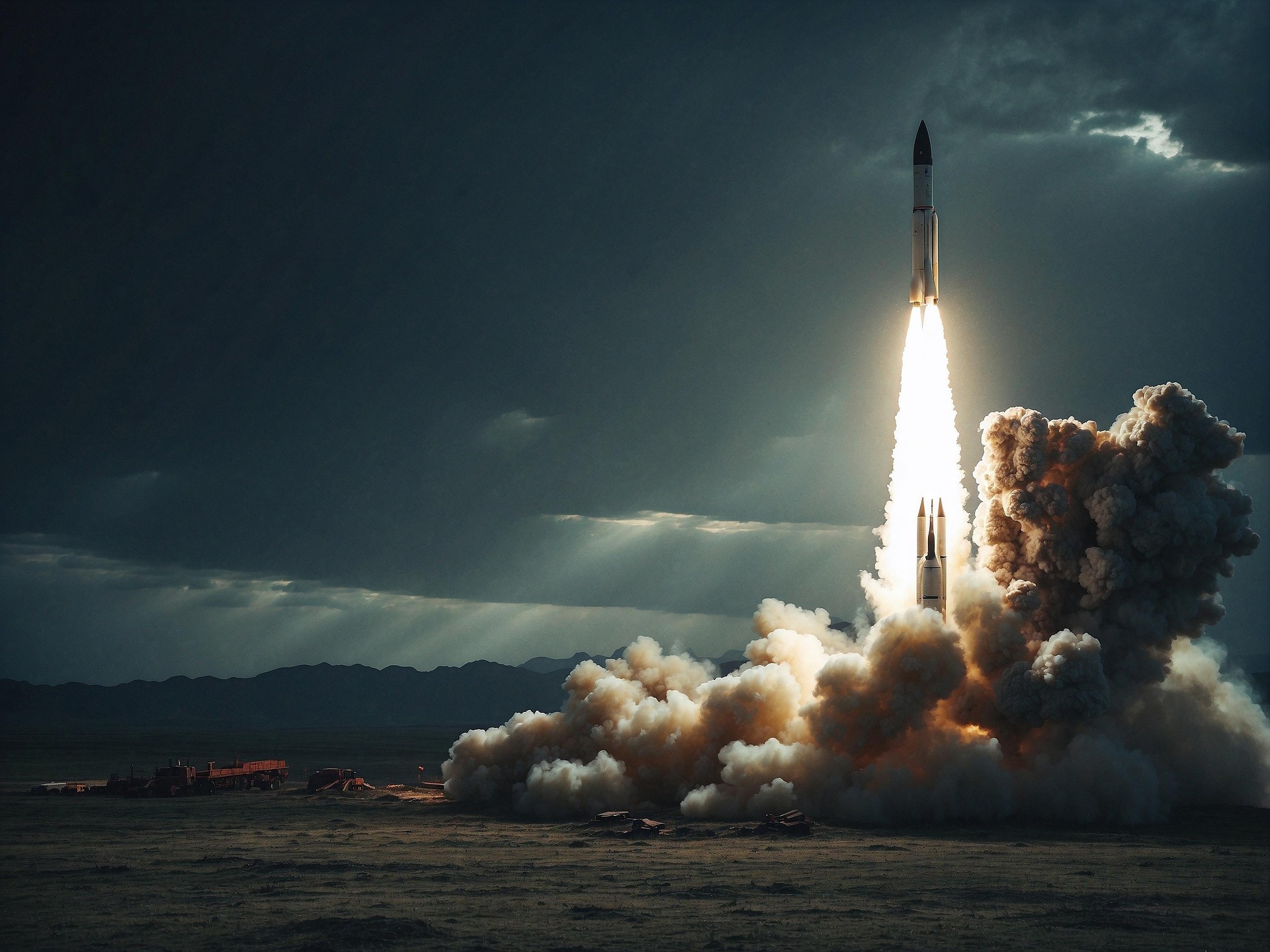
Technology Trends Shaping the Future of Missile Launch Systems
Missile launch systems are changing fast and it does not look like things will slow down anytime soon. Over the world defense groups are spending a lot of money on new technologies that promise to make missile launch systems faster, more accurate, easier to move and more secure. It is not one new technology that is making a difference but many new technologies like artificial intelligence and hypersonic weapons are changing how missile launch systems work.
If we look back, missile launch systems used to be mostly mechanical. People had to control them by hand and do all the work.. Now with the help of smart automation real-time data analysis, better communication systems and new materials everything is changing. These changes are not just improvements but they are forcing defense planners to think about how they protect their countries in a new way.
With countries updating their missile launch systems some technology trends are becoming clear. Looking at these trends gives us an idea of where missile launch systems are headed and what defense will mean in a world that is getting faster more digital and more unpredictable.
Artificial Intelligence and Smart Automation
Artificial intelligence is the driver behind today’s missile launch systems. With intelligence teams can analyze a lot of information from the battlefield in just a few seconds making faster and more accurate decisions.
Automation is also making a difference. It means that missile launch systems can recognize targets better, launch missiles smoothly and react to threats faster. Some artificial intelligence systems can even look at radar signals, satellite pictures and sensor readings in time making it possible to make quick decisions. This means delay and better aim.
Artificial intelligence is also helping with tasks like checking systems, monitoring and coordinating. By freeing up humans to focus on decisions it means fewer mistakes and more focus especially when it matters.
Hypersonic Missile Technology
Hypersonic technology is making a lot of noise in the defense world. Missiles that can travel at speeds of Mach 5 or more are really hard to track and almost impossible to stop.
This speed is forcing missile launch systems to change. They need to be able to deploy, work harder and respond quickly. Older launch systems cannot keep up so new ones are being built with speed and accuracy in mind.
These systems also have to be able to survive heat, pressure and vibrations. To prevent engines and launch tubes from burning out engineers are using strong materials and thermal barriers.
The push for technology is not just about the missiles themselves. It is also driving improvements in how fast information's shared ,how strong propulsion systems need to be and how launch controls work. This change is affecting every part of the system.
Mobile and Autonomous Launch Platforms
Being able to move missile launch systems is becoming more important. Launch sites that are stuck in one place are targets and nobody wants to stay in one place. So there is a lot of interest in launch systems that can be moved, like truck-based systems, rail systems and even ships at sea.
The point is to be flexible. If you can move your launch systems enemies have a time hitting them or even finding them. Mobility is key to survival.
Autonomy is also becoming more important. Launch vehicles are being designed to work with human control, which means a future with automatic navigation, remote controls and smarter planning tools.
Adding support and unmanned vehicles especially for difficult deployments in dangerous areas is also happening. The bottom line is risk to people and more reliable missions.
As autonomous technology improves we can expect missile launch systems to work faster and adapt to changing battlefields quickly with any delay.
Advanced Radar and Sensor Integration
If a missile launch system cannot detect threats it is in trouble. Modern systems rely on radar and sensors to spot threats quickly and accurately not just sometimes but every time.
There are systems with high-frequency scanning, digital processing and 3D tracking. This means you can follow targets in almost any weather even with jamming and noise.
Sensors are now pulling data from everywhere: satellites, drones, ground radar and more. Combining all this data gives operators a map of what is happening which means they are not flying blind.
In the future artificial intelligence could help these radars detect hidden threats that older systems miss. This means information loops, sharper decisions and launchers that can be trusted under pressure.
Cybersecurity and Digital Protection
The more digital missile launch systems become the more open they are to hackers and cyber threats. Nobody wants to see a launch system hijacked or disabled.
Defense agencies are working hard to secure communications, harden software and shield networks from interference. You will find encryption, attack detection and even artificial intelligence-based tools that watch for suspicious behavior usually faster than any human could react.
The next wave could bring encryption or new cyber-defense methods that add even more protection. Getting this wrong is not an option. One breach and a missile system could malfunction in ways you do not even want to imagine.
Space-Based Communication and Satellite Support
Satellites are playing a role in missile operations. They link up units, share directions. Keep communications flowing when things get tough.
Every new missile system relies on satellite guidance for accurate targeting especially over long distances or difficult terrain. Early warnings, tracking, navigation: satellites keep all the moving pieces in sync.
Looking ahead ,more launch systems will tie into space networks. Low Earth Orbit satellites promise delay and faster response, which is good for teams that do not want delays.
So space technology is not just supported. It is essential in shaping how modern militaries design and fight missile battles.
Directed Energy and Electromagnetic Technologies
Directed energy is not just science fiction anymore. Weapons that use lasers or electromagnetic pulses are getting attention especially for stopping incoming missiles or drones.
These systems are still in the stages of development but one day they could give missile launchers new ways to defend themselves like zapping incoming threats instead of exploding them.
Electromagnetic launchers on the hand use magnetic force instead of explosions to send projectiles out fast and clean. You cut down on fuel, get accuracy and keep maintenance simple.
This technology is evolving. The potential is big. Down the line these approaches could change how launch operations work from top to bottom.
Lightweight Materials and Advanced Engineering
You need strength and speed so materials matter. Engineers are using carbon fiber, advanced composites and heat-proof alloys to build tougher launchers.
Lighter platforms move quicker, burn fuel and stand up to tough conditions in the field. That means missions with less downtime.
Cutting-edge tools like 3D printing let defense makers build complex parts fast. They can. Swap parts quickly and keep costs in check.
All that translates to a system that adapts and recovers from grinding to a halt after one tough hit.
Network-Centric Warfare and Integrated Defense Systems
Missile launchers do not fight alone anymore. Everything's connected. Drones, ships, planes, radar centers, satellites. Making up a whole ecosystem instead of scattered pieces.
This networked approach means forces can share information instantly, decide on actions and keep operations smooth.
Integrated systems lift awareness and response speed, which leads straight to results. With intel streaming in missile launch choices are sharper and more effective.
As networks grow and cloud systems spread through defense expect missile operations to get faster and smarter.
Missile launch systems are changing, powered by intelligence, hypersonic weapons, autonomous technology, high-end radar, sharper cybersecurity, satellites and even directed energy. Everything from reaction time to precision and teamwork is getting an upgrade.
Battlefields will demand moves, more accuracy and seamless coordination. That is pushing missile systems to be built on automation, digital links and future-ready materials.
As military investments keep rising, technology is the backbone for everything. It is not about firepower. It is about the invisible tools that make those weapons work and win in the chaos of modern conflict.
Frequently Asked Questions (FAQs)
What exactly is a missile launch system?
It is the platform or mechanism that sends missiles toward their targets. Launch systems might be on land, ships, planes or loaded onto rigs. It is about getting the missile moving.
How is Artificial Intelligence involved in missile systems?
Artificial intelligence analyzes a lot of data, picks out threats, refines aim and automates tasks. That means missile systems react faster and more accurately with human effort for each step.
Why are hypersonic missiles treated as important?
They fly fast. Way beyond regular missiles. Which makes them tough to spot and almost impossible to stop. This speed lets teams respond quickly and keeps opponents off-balance.
What part do satellites play in missile launch systems?
Satellites handle navigation, send updates back and forth ,help with aiming and warn operators if threats show up. They glue all the moving pieces together.
Why is cybersecurity such a deal, in modern defense systems?
So much depends on networks and software. Cybersecurity keeps hackers out and stops data leaks. Make sure missile launches go off without a hitch.
What are autonomous missile launch systems?
Autonomous missile launch systems are systems that can work with human control using automatic navigation, remote controls and smarter planning tools. They can adapt to changing battlefields quickly. Make decisions faster.