Shopping Mall vs. Online Business: Why Technology-Powered Malls Are Winning in 2026
The Changing Face of Retail in 2026
Retail is moving into a chapter. Online shopping has changed how people buy things because it feels easier pricing can be better. You can get to thousands of products right away. Physical shopping malls are not really "gone”. They are somehow becoming smarter, connected and more built around the whole experience thing.
By 2026 tech-powered malls are mixing intelligence, mobile apps, smart infrastructure, digital payments, automation, entertainment and personalized services—so they can compete with online businesses
And the bigger picture is this, a retail model where tech and real-world moments work together not against each other.
Shopping Mall vs. Online Business: Understanding the Difference
A shopping mall and an online business run on retail rhythms.
Online businesses lean hard on convenience and access. Shoppers can browse, compare prices, read reviews and place orders from anywhere anytime. It’s fast. It’s always "open”.
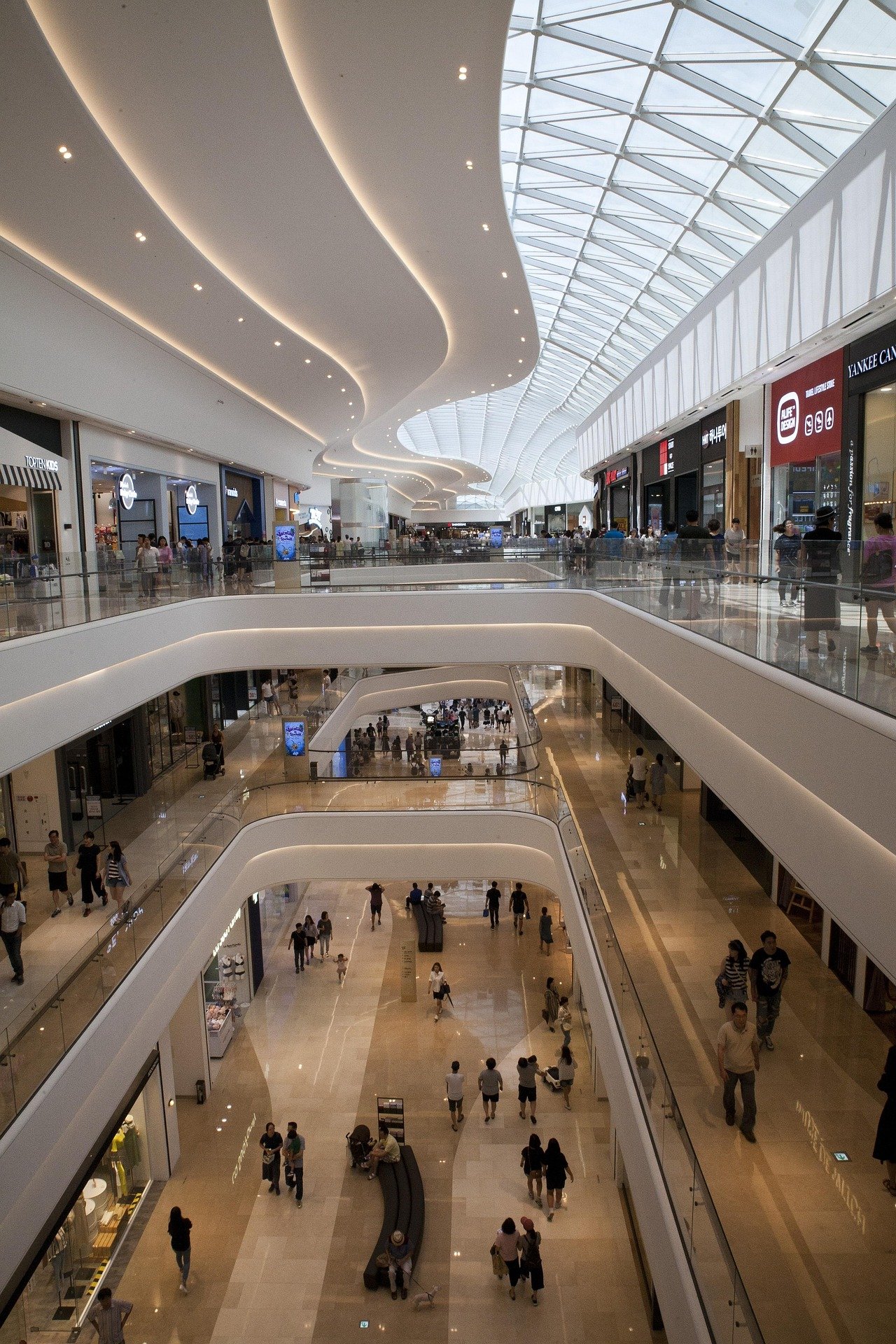
Malls though give you interaction. People can see products, touch them, try them on and compare options before buying.. There are restaurants, entertainment options, events and a kind of social hangout energy.
That gap is getting smaller. Modern malls are adding tools, basically bringing the online benefits into the physical place.
Why Online Businesses Continue to Grow
Online platforms still stay strong because convenience doesn’t fade. Customers can shop 24/7 without packing a trip or commuting to a store.
E-commerce sites also use intelligence to suggest products, tailor ads, manage inventory and boost customer support.
On top of that fast shipping, digital payments, simple returns and product reviews have helped online shopping keep momentum.
Even with all of that online businesses can’t fully replace the human side and the physical part of shopping. A lot of customers still want interaction, immediate inspection and a bit of enjoyment from the process.
The Evolution of Traditional Shopping Malls
malls were mostly arranged around stores, food courts and entertainment spaces.
Now the role is shifting. Modern shopping malls are trying to become like lifestyle hubs, plus tech destinations. Retailers merge physical shops with services and mall operators use technology for navigation, security, parking flow, energy oversight and customer engagement.
This change helps malls stay important in a digital economy even when everyone’s online.
How Technology Is Transforming Modern Shopping Malls
Technology now shows up in every part of the mall experience.
Digital directories help visitors find stores quickly. Mobile applications share promotions, events, restaurants and services. Smart parking systems guide drivers toward spots while digital screens give real-time updates.
Together these tools reduce those shopping frustrations" and make in-person retail feel less stressful and more smooth.
So the modern mall isn’t a pile of stores anymore. It’s like a connected environment.
Artificial Intelligence and Personalized Shopping Experiences
Artificial intelligence is kinda changing the way retailers see and deal with customers, and to be honest it’s not small stuff.
AI can look at purchase habits, personal preferences, what people seem to want, and even shopping patterns. After that retailers take the info, then they use it to suggest items and also to push promotions that are way more specific.
For example, a person who routinely picks up fashion items may get clothing offers through a mall app, that match their taste pretty closely, sort of like it “knows” them.
This kind of personalization usually helps customer satisfaction too, because shoppers get recommendations and details that line up with what they truly care about, and it feels more relevant.
Smart Stores and Interactive Retail Technology
Smart stores are bringing upgrades straight into real shopping.
Retailers roll out displays, smarter fitting rooms, self-checkout tools, QR-based product details, virtual demonstrations and digital catalogs.
Customers can scan items to pull up specs, reviews, size options, color choices and related suggestions.
Smart fitting rooms can also speed things up. if leaving to search customers may request another size or shade right from the fitting area.
In the end these systems blend convenience with the practical benefits of physical retail.
The Growing Importance of Omnichannel Retail
Omnichannel retail is becoming a strategy in 2026.
Customers don’t always treat online. Offline like two completely separate worlds. A shopper might discover a product online then go to a mall to check it. Later they might buy it using an app and after that return in person for support or adjustments.
Retailers can also offer click-and-collect. People order online. Pick up their items from a nearby store so waiting time feels shorter.
That smooth link between digital and physical shopping creates flexibility for consumers and honestly it keeps both sides working together.
Digital Payments and faster checkout experiences are changing how physical shopping feels because the whole process is more quick and convenient. You know, like wallets, QR payments, contactless cards and even self-checkout systems cut down waiting times and the transactions seem simpler in general.. Digital receipts are a big deal too since returning or exchanging items becomes easier purchase data gets stored electronically instead of you know random paper slips. So for customers it basically means time standing around at the checkout counter and more time actually enjoying the shopping experience.
Smart parking and digital navigation in malls
Parking plus navigation have always been hard especially in bigger shopping centers where everything is kind of spread out.. Now technology is stepping in and honestly it helps a lot. Smart parking systems can spot spaces and steer drivers toward them.. Then there are mobile applications that offer indoor navigation, which can guide people to stores, restaurants, elevators, restrooms and entertainment areas. That little improvement can feel small on paper. It can make a noticeable difference in customer satisfaction.
Why customer experience gives malls an advantage
The biggest advantage physical malls have is the customer experience. Sure, online shopping is convenient. Physical shopping can be interactive, social and more fun. Customers can actually see products in life, talk with sales staff, try items on, enjoy meals, meet friends and join activities.. Technology makes that stronger by making the whole thing more convenient and more personalized like somehow everything fits better. Entertainment, dining and lifestyle experiences
Modern malls are becoming, honestly ,more than places to buy things. They increasingly add cinemas, restaurants, cafés, gaming areas, fitness centers, kids activities, exhibitions, events and entertainment zones. These spaces make it easier for customers to spend time inside. Someone might come just to shop but also end up grabbing dinner watching a movie, attending an event or doing some family activity. It becomes this lifestyle experience that online businesses still can’t easily replicate.
Data analytics and customer loyalty programs
Data analytics helps malls and retailers understand customers in a way. Businesses can look into buying habits, which products are popular, what preferences people have and when shopping activity peaks. Then loyalty programs can deliver rewards, discounts and exclusive offers. A built digital loyalty program supports repeat visits and it helps strengthen the relationship between customers and the retailer. Smart infrastructure and operational efficiency
Technology isn’t for customers, it also makes mall operations run better behind the scenes. Smart building systems can monitor lighting, temperature, security, energy use, elevators and other facilities. Predictive maintenance can catch equipment problems before they turn into major headaches. Automation can also reduce costs and improve efficiency. So for mall operators technology brings both customer benefits and real financial advantages, not one side.
Sustainability and energy efficient shopping malls
Sustainability is becoming more and more important in retail and malls are starting to care about it in practical ways. Smart lighting systems can lower electricity usage. Heating and cooling systems can also balance energy usage more effectively. Sensors can track energy consumption. Point to areas where resources are being wasted. Digital advertising is another angle it can cut down the need for printed materials. Overall these changes help malls become more environmentally responsible while also reducing operating expenses.
Malls as community and social destinations
Shopping malls are turning into community destinations more and more. They host festivals, exhibitions, workshops, cultural programs, product launches, concerts, food events and family activities. These events give customers reasons to show up even if they weren’t planning to shop in the place. The mall becomes somewhere people meet, socialize, relax and share experiences together.. That social side is still one of the strongest advantages physical retail has compared to everything online.
The Role of Mobile Apps in Modern Mall Experiences
Mobile applications are getting like a key link, between customers and shopping malls sort of a direct connection thing.
In reality one app can do a lot: store directories, real time navigation, parking info, promotions and loyalty rewards. It can also show event schedules, restaurant details and even digital payments.
So customers might get notifications while they are inside the mall and they can also stumble on offers in a less obvious way.
That tends to make the shopping path feel more connected and also more smooth and convenient you know.
How Technology Helps Retailers Increase Sales
Technology can support business growth in a direct manner.
AI-based recommendations can help customers discover products they would not have found otherwise. Then data analytics can clarify customer demand. Meanwhile digital promotions can be tuned to target customers precisely instead of just broad messages.
There are also inventory systems, which help prevent stock shortages and reduce excess inventory.
When retailers connect customer insights, with automation they often end up making decisions and that usually improves sales results
Why Technology-Powered Malls Are Winning in 2026
Technology-powered malls are doing well because they combine the parts of physical stores with the best parts of online stores.
Online businesses already offer convenience, speed, choice and access.
Now modern malls are taking benefits but they also keep the physical side… like personal help, fun activities, real conversations and shared moments.
They are not trying to get rid of shopping. It is more like they are adding tools to physical places.
This mix gives shoppers choices and it makes the whole experience better.
The Future of Shopping: Online and Offline Working Together
The future of retail will not be only online or only in stores.
People will keep going forth between websites, phone apps, social media and real stores and the change can happen fast.
Businesses that link these ways of shopping well will have an advantage.
The best companies will give customers the good experience, no matter where the shopping starts.
The New Era of Technology-Driven Retail
The retail world is going toward a connected and smarter future.
Technology-powered malls are proving that physical stores can still do well if they use ideas.
Artificial intelligence, buildings, digital money, phone apps, data tracking, all-in-one shopping, fun activities and custom help are all changing what shopping feels like today.
Online businesses will keep growing. Technology-driven malls are creating something a bit different: a mix of easy access good experiences, digital help and real people.
So the future is not really about picking between stores and online shopping.
The real winner is the business that brings the world and the physical world together without making it feel out of place
Frequently Asked Questions (FAQs)
1. Are shopping malls important in 2026?
Yes. In 2026 modern malls are turning into technology-driven places for life and fun, not for buying things.
2. Why are technology-powered malls getting more popular?
Because they mix shopping with intelligence, phone tools, digital money, smart parking, custom help, fun activities and all-in-one shopping.
3. Can online businesses take the place of shopping malls?
They can do some shopping tasks. They can’t fully replace physical experiences talking with people, fun activities or trying things in person.
4. What kinds of technology are in shopping malls?
You will find intelligence, phone apps, smart parking, digital money, data tracking, touch screens, machines that work on their own smart buildings and digital directions.
5. What is omnichannel retail?
Omnichannel retail links online and in-store shopping so customers can move easily between websites, apps and stores.
6. How does artificial intelligence make shopping
Artificial intelligence can suggest items, learn how people shop, predict what will sell, help manage stock and offer ads.
7. What will shopping look like in the future?
It will probably mix the parts of online shopping with the good parts of in-store shopping making a smooth and tech-friendly way to buy things.
https://asiftechsolutions.com/page/about-ushttps://www.shopify.com/pk/enterprise/blog/future-of-mallshttps://www.weforum.org/stories/emerging-technologies/shopping-mall-online-competition-retail-leisure/https://www.weforum.org/stories/emerging-technologies/shopping-mall-online-competition-retail-leisure/https://www.weforum.org/stories/emerging-technologies/shopping-mall-online-competition-retail-leisure/