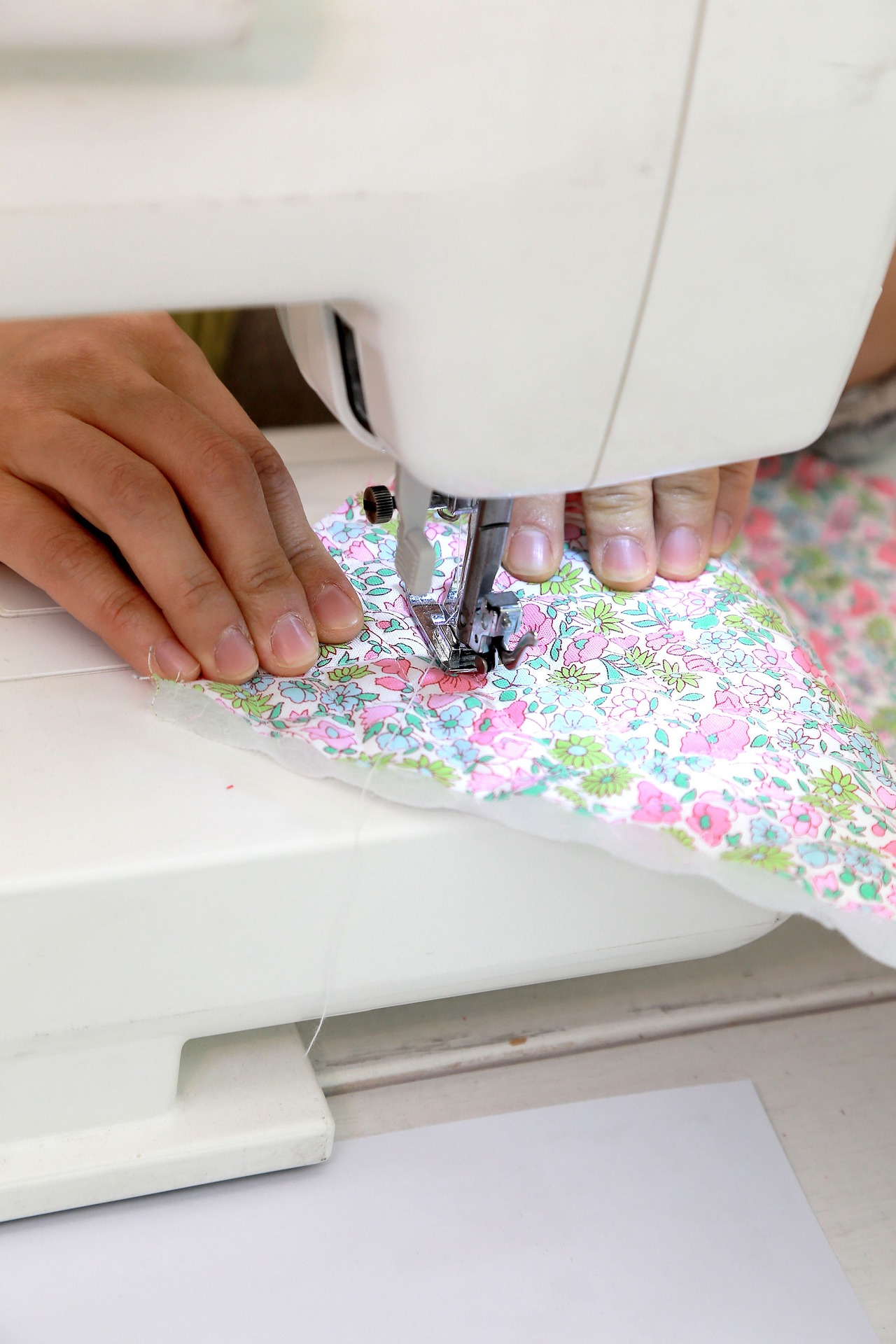
Guiding fabric through a sewing machine is a skill that every sewer needs to learn. It does not matter if you are a beginner or you already call yourself a sewer. When you handle the fabric smoothly you get stitching that looks clean seams and a more polished finish.
You might be sewing clothes, curtains, bags or little crafts. Good guidance helps stop stitches from going weird and it reduces bunching. It also helps avoid thread snapping, plus needle issues that show up way too fast.
Most people think the machine does everything but controlling the fabric is a part. A good sewer usually does not force the material forward. They just gently steer it ,keeping it on the path.
In this guide you will learn methods for guiding fabric through the sewing machine with confidence and with precision that feels steady.
Understanding How a Sewing Machine Moves Fabric
Before you guide anything you should know what the machine is doing under the presser foot. The feed dogs are those metal teeth that pull the fabric forward while the needle makes the stitches.
Your job is not to drag the fabric. Do not pull it. Pulling can mess up stitches, bend the needle or cause machine trouble. Let the sewing machine do the feeding and your hands only keep the direction consistent.
Prepare the Sewing Machine Properly
When your machine is set up right, guiding fabric becomes way easier. Before you start check things like:
* Put in the needle that matches your fabric
* Thread the sewing machine correctly
* Wind the bobbin evenly
* Adjust thread tension if needed
* Clean out lint from the feed dogs
* Make sure the presser foot is attached securely
This prep helps prevent interruptions and keeps stitch quality higher.
Choose the Right Fabric
fabrics behave differently under the needle. Lightweight fabric like silk can glide easy. Heavy fabric like denim needs steering and a slower patient approach.
Examples:
* Cotton is easy keep a movement
* Silk needs a hand pressure
* Denim requires careful sewing
* Stretch fabric needs pressure control avoid stretching while sewing
Once you learn how fabric behaves you can guide it effectively.
Position Your Hands Correctly
Hand placement matters. Put your hands on both sides of the fabric stable.
Good hand position:
* Keep fingers away from the needle
* Apply pressure only
* Guide evenly from both sides
* Don’t clamp down tightly
Your hands should work like rails or direction helpers not like pullers. Gentle control usually means stitches and fewer fabric distortions.
Start Sewing Slowly
A common beginner issue is sewing fast. Speed can absolutely cause seams to look messy and it can also affect feeding.
Start slow so you build control and accuracy first. Most machines have a foot pedal for speed. Press it gently then increase as your control improves.
Professional sewers also slow down for corners, curves or delicate fabric. They’re not showing off, it just helps the result.
Keep the Fabric Straight
For stitching align the fabric edge with the seam guide markings on the machine plate. Those lines are basically your roadmap for seam allowance.
Of staring at the needle the whole time, watch the fabric edge. That habit makes your sewing look cleaner.
Avoid Pulling the Fabric
One of the common mistakes is pulling fabric from the back side while sewing. Pulling can lead to:
* needles breaking
* skipped stitches
* fabric stretching
* feed dogs getting damaged
Use the Presser Foot
The presser foot presses the fabric against the feed dogs. Lower it before starting. Confirm it has pressure.
Some machines let you adjust pressure for materials:
* less pressure for lighter fabrics
* more pressure for heavy fabrics
More pressure does not always mean better but correct pressure usually equals better feeding and better stitch results.
Practice Seam Control
Keeping a seam allowance helps everything look professional. Practice guiding fabric while keeping the edge aligned to the seam guide.
A steady seam allowance helps with:
* garment fit
* better appearance
* easier fabric matching
Try it on scrap fabric before you touch the real project.
Learn to Sew Curves Smoothly
Curves need movement and careful guidance. Don’t force the fabric.
Rotate the fabric a bit at a time while sewing.
Tips for curves:
* sew forward
* pause with the needle down
* lift the presser foot to pivot
* guide not all at once
Patience really is what makes curved seams look right.
Handling Thick Fabric Layers
Thick fabric and multiple layers can get stubborn. They may feed unevenly.
To improve control:
* use a heavy-duty needle
* reduce sewing speed
* hold fabric firmly but gently
* use clips or pins for layers
If you have one, a walking foot attachment can help thick layers feed evenly.
Managing Stretch Fabrics
Stretch fabrics need care because they can warp quickly while sewing.
Best practices:
* do not stretch the fabric while sewing
* use a ballpoint needle
* sew at a speed
* support the fabric with both hands
A zigzag stitch or a stretch stitch usually works best for stretchy materials.
Focus on Fabric Alignment
Before you stitch, align fabric edges carefully. If they are not lined up you’ll get uneven seams and patterns that don’t match.
Clip fabric before sewing. Remove pins carefully so you don’t accidentally hit anything and risk damaging the needle.
Good alignment keeps projects looking intentional.
Control Fabric at Corners
Corners need attention for results.
How to sew corners:
* sew until you reach the corner point
* stop with the needle down
* lift the presser foot
* rotate the fabric
* lower the presser foot then keep sewing
That corner step is what helps corners look professional.
Keep Your Sewing Area Comfortable
Comfort affects sewing performance a lot. Sit with lighting and enough workspace. Good posture helps you:
* maintain fabric control
* reduce hand fatigue
* improve stitching accuracy
A tidy sewing station also makes things faster.
Practice Regularly
Sewing improves with practice. Spend time sewing lines, curves and trying different fabrics.
Create practice exercises like:
* straight stitch lines
* patterns
* corner stitching
* speed control exercises
Practice consistently to build confidence and to sharpen precision over time.
Mistakes to Avoid
If you are a beginner you can make silly errors when you guide fabric.
* If you pull the fabric it can throw off stitches. Ruin the needle too.
* Sewing fast drops your control and accuracy goes down.
* Looking at the needle is a trap. For seams focus on the fabric edge. Keep it aligned.
* Ignoring fabric type is another slip. Different materials need handling.
* Just "using the needle" without thinking. Pick one that matches the job otherwise results get messy.
Skip those mistakes and your sewing quality will rise.
Benefits of Proper Fabric Guidance
Once you get the hang of guiding fabric you can get:
* stitches
* more reliable speed
* fewer machine troubles
* better fabric control
* more sewing confidence
Frequently Asked Questions
How do I keep fabric while sewing?
Use the seam guide marks on the machine plate. Keep your eyes on the fabric edge, not the needle. Sew slowly. Guide with a light touch.
Why does my fabric bunch up while sewing?
Fabric can bunch because of thread tension, wrong threading, a needle or if you pull the fabric while sewing.
Should I pull fabric through the sewing machine?
No, don’t pull it. Let the feed dogs do the work while your hands guide only.
What is the easiest fabric for beginners to sew with?
Cotton fabric is a starting point. It doesn’t shift much, it is easy to manage and it passes through the sewing machine more smoothly.
How can I get better at controlling my sewing?
* Practice with scrap fabric often.
* Keep a pace.
* Learn where your hands should sit and how they should move.
You will feel more confident. You will stay in control as you sew more. Soon it starts to feel natural.
Sewing with cotton helps.
Cotton fabric makes it simpler to improve your sewing control.