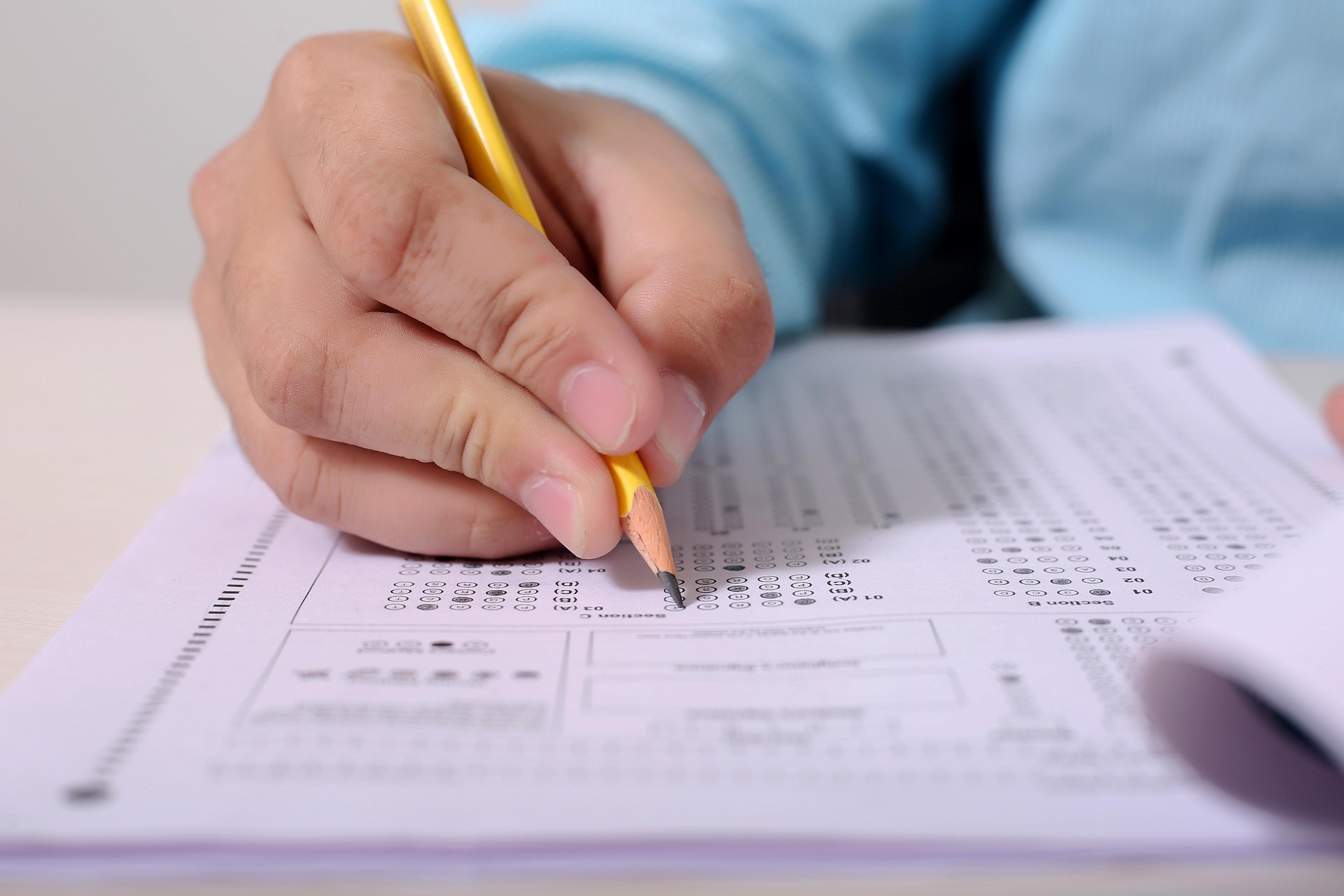
So you want to learn about guiding exam studies… Honestly not many people are trained to do it. This will help anyone. The student, parents, teachers. To guide a student so they can prepare for exams.
And it’s not about pushing "read more" it’s about understanding that exams check more than knowledge. They test how well you grasp concepts, your work ethic and how much you can push yourself when something needs to be done.
Exam preparation can get students stressed out. If there’s no method they throw everything in all directions. End up with no plan. So guiding exam study becomes essential if you want an approach.
The guidance isn’t only making students sit and read books for hours. It’s more practical than that. It’s about building a study plan figuring out how students learn best and balancing everything so it actually works.
When it’s done right it gives the student what they need. It can make a difference. This article will share some approaches and motivation to help students get through exams.
# Why Exam Guidance Is
A guided student usually already has some kind of plan. This cuts down stress and fear of the unknown. It also helps students who do not feel motivated all because they’re basically lost on where to begin.
* Students learn to set goals.
* That boosts confidence as they accomplish things step by step.
* Concentration becomes better.
* Students feel less anxious about exams.
* They become more productive without getting overwhelmed.
# Crafting an Effective Study Plan
The first step is having a plan for exam study. Once a plan is made students don’t stay in panic mode.
Breaking Down Subjects
A chunk of a subject can feel overwhelming. So it’s usually best to split subjects into bits.
* Mathematics: Algebra, Geometry, Statistics.
* Science: Physics, Chemistry, Biology.
* English: Grammar, Literature, Writing skills.
# Setting daily and weekly goals
Students need goals, not effort. A daily target keeps them focused on what must be done that day. A weekly goal helps them check progress across the week.
* Complete two chapters every day.
* Complete five practice papers every week.
* Revise one subject every weekend.
# Encouraging Active Learning
Just reading alone usually doesn’t move the needle much for exam papers. Students have to engage with the content.
# Taking Notes
Students should make notes. Those help them remember now and also recall everything during revision later.
# Using Practice Questions
Practice papers. Mock tests matter. They help students feel what the exam is like and also show them how much they already know.
* Get students with the question paper style.
* Students can improve speed during answering at the exam.
* They’ll notice their spots in study topics faster.
* Confidence rises, for students who fear exams.
# Time Management
Time can be tough during exam prep. So students can use methods to make the most of study time.
# Balancing routine
Keeping balance is extremely necessary. Studying non-stop is never useful. Students need a routine that includes study sessions, short breaks, activity time, sleep and revision.
# Prioritizing Subjects
Difficult subjects need attention when a student’s mind is fresh. Those topics need energy.
# Staying Motivated
Motivation matters a lot. During the prep phase students can lose confidence feel exhausted and start doubting themselves.
# Celebrating successes
When students finish these tasks they should acknowledge that they did well.
# Using goals
Teachers should make students aware of where their future studies can lead.
# Reducing stress and anxiety
Anxiety is normal. It can grow if it’s ignored. Students should learn techniques.
# Health habits
A meal staying hydrated. Exercise can do a lot for students.
# Relaxation Techniques
There are kinds of calming exercises. A student might want to try breathing, meditation, affirmations, a walk or maybe just listen to music.
# Good Study Environment
Every student needs an environment for studying. It really can make study sessions more efficient.
# Choosing a space
Ideally the study room should not be crowded with distractions.
# Digital distraction limit
Social media is the distraction in cases. Set a time window for using the Internet for anything that is not study-related.
# Role of Teachers and Parents
The role of parents and teachers is vital in how a student shows up in exams. They should give support and encouragement not add pressure and stress on top.
# Support
Students are often dealing with some of the moments. Having a parent or a teacher listen to their concerns can help a lot.
# Checking their progress
A student’s progress should be tracked using exams or tests. Teachers should also have discussions with them about their work.
# Importance of Revision
Revision helps students remember what was taught for their examinations. It often leads to scores too.
# Revise times
Students should revisit every topic times. The more students revise the more they tend to remember during the exams.
# Focusing on subjects
It’s essential that students concentrate on their subjects as many times as possible.
# Building Confidence
Confidence is one of the elements students need. One way to build it is through practice exams.
# Positive thought process
Students should keep thoughts about being successful and avoid thinking completely about their studies.
In all a good exam study needs a plan, motivation, discipline and support. It is never really about cramming everything at the minute. With guidance a student can stay on track. Pass with flying colors. With support from everyone, around them students will be able to achieve something.