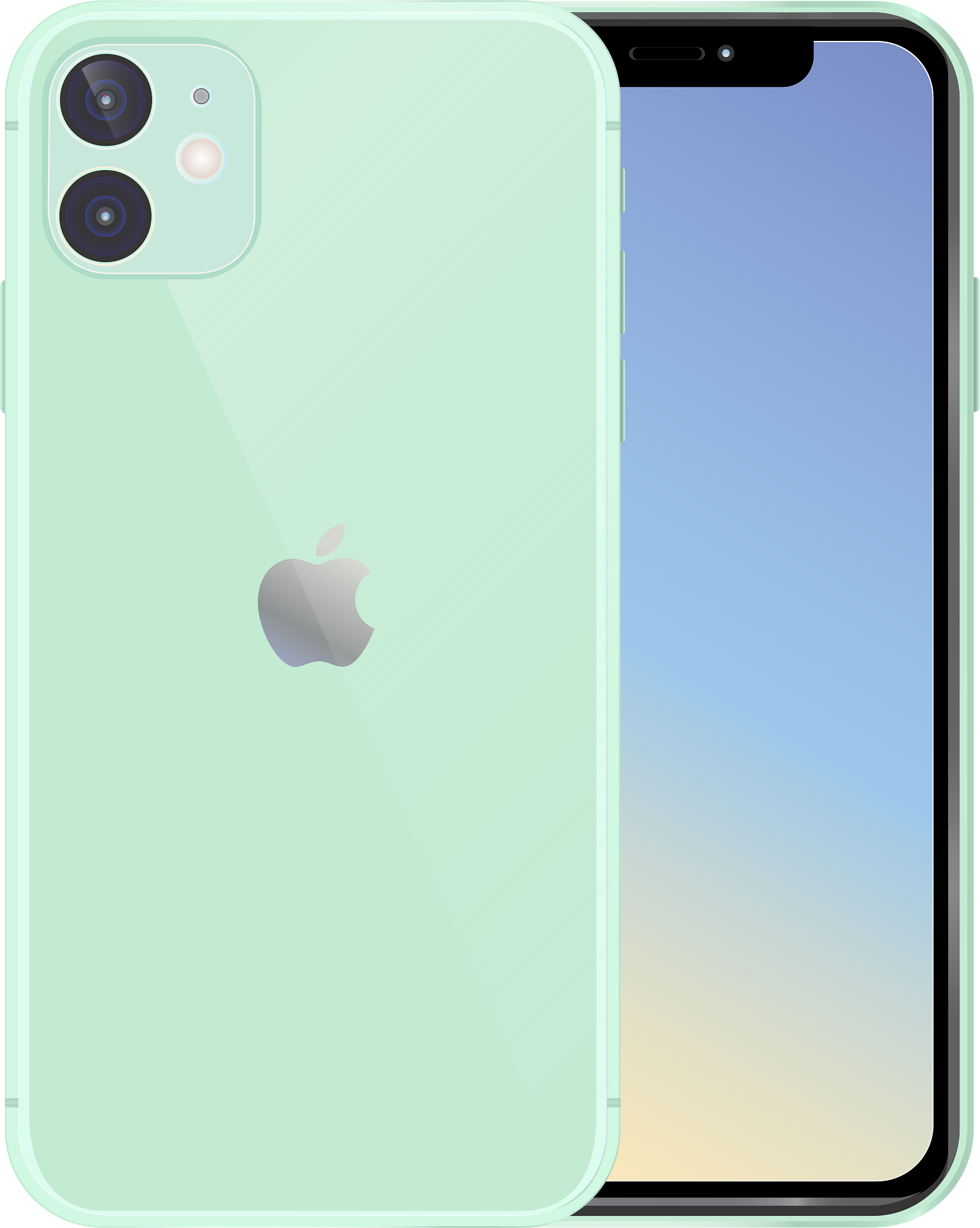
How Quantum Computing Technology Trends Will Affect Your Mobile Phone in 2026
The smartphone is like the lifeline for most people. We use it for messaging, entertainment, banking and even health checks. Everything runs through that rectangle. Now the tech vibe is shifting again. Quantum Computing Technology Trends are starting to feel less like a science project and more like a real ingredient in the digital mix.
Even if Quantum Computers are still early their ripple effect is already showing up across different sectors. By 2026 Quantum Computing Technology Trends are expected to nudge technology in a few notable ways. Quantum Processors won't swap out smartphone chips anytime soon but the upgrades around them. Security, artificial intelligence, data handling, network smoothness. Can still change the way your phone behaves day to day.
So let’s get into what Quantum Computing Technology Trends in 2026 could do to the smartphone experience and how that might shape the future of mobile tech overall.
Understanding Quantum Computing
Before jumping into what it might do to phones you kind of have to know what Quantum Computing actually is. Classic computers rely on bits, which behave like 0 or 1. Quantum Computers use Quantum Bits or Qubits which can sit in more than one state at the same time. That " states" idea is what lets Quantum Systems tackle certain complicated problems faster than conventional machines.
Also Quantum Computers still need specific setups. They're huge basically so they're not going to live inside your pocket. Instead their computing power is more likely to be used through cloud services and high-performance networks.
Stronger Mobile Security
The most talked about impact at least at first is security.. With good reason. Cyber threats get smarter every year. Normal encryption has been the wall against attackers for passwords, payments and everyday personal data.. The big concern is that future Quantum Computers might eventually weaken or break parts of todays encryption methods.
So companies are working on Quantum-Resistant Encryption, the kind of protection designed to hold up even when Quantum Capability grows. By 2026 many smartphone makers and mobile providers are expected to roll out these security protocols. You'd likely see:
* Reliable protection of personal info
* Tighter defenses for banking
* Safer digital payments
* Better privacy settings for messaging apps
Users may get stronger security features baked in than something you have to tweak yourself. Quantum Computing Technology Trends are really making a difference in security.
Faster Artificial Intelligence on Mobile Devices
Artificial Intelligence is already everywhere on smartphones, voice assistants, face recognition, predictive typing and even camera tweaks.. Quantum Computing could speed up Artificial Intelligence development by handling huge data volumes more efficiently.
Now your phone probably still won't include a Quantum Processor. The change would be like Quantum-Powered Artificial Intelligence working in the cloud then feeding smarter results back to your device. Because of that phones in 2026 might deliver things like:
* Voice assistants that feel more intuitive
* Accurate translation during real conversations
* Upgraded photo and video editing
* Tailored recommendations based on what you actually do
* Quicker speech recognition with stumbles
The whole vibe could be that your phone is more responsive like it understands you faster than before. Quantum Computing Technology Trends are making Artificial Intelligence on devices more powerful.
Enhanced Mobile Network Performance
The 5G rollout already changed a lot and 6G is starting to loom in the background. That gives telecom companies a lot of room to improve connectivity. Quantum Computing may help telecom teams optimize network management r,educe congestion and improve data routing. The idea is that Quantum-Powered Systems can analyze network conditions in near real time and then make the connections more efficient.
For users that could translate into:
* Less lag, during heavy use
* Better streaming quality on video apps
* Consistent online gaming sessions
* Improved performance when areas are crowded
As mobile networks get more layered and complicated Quantum Tech could become one of the tools that keeps things smooth. Quantum Computing Technology Trends are really helping mobile network performance.
Improved Battery Optimization
Battery life is still one of the worries for phone owners. Quantum Computing can support researchers who are exploring battery materials, plus better ways to store energy. With Quantum Simulations scientists can study chemical interactions at a level. That makes it easier to design batteries that work efficiently rather than relying only on trial and error.
Possible upside might look like:
* Longer battery endurance
* Quicker charging speeds
* Better overall battery durability
* energy efficiency
Of course none of this is instant but Quantum-Assisted Research could speed up progress in smartphone batteries over the next stretch of years. Quantum Computing Technology Trends are helping to improve battery optimization.
Powerful Mobile Applications
Most modern apps are basically data engines. Maps, finance tools, healthcare apps, productivity software. These all depend on heavy computing happening behind the scenes. Quantum Computing could strengthen cloud-based services that support those applications. Of only scaling with traditional servers future platforms may use Quantum-Enhanced Processing to push certain tasks further.
Future mobile apps may feel like:
* Advanced Navigation
* Quantum-Based Algorithms could interpret traffic patterns better giving faster route suggestions and fewer "wrong turn" moments.
* Better Financial Services
* Mobile banking apps could run risk modeling and fraud detection effectively and therefore protect customers with tighter checks.
* Enhanced Healthcare Applications
* Health monitoring apps might use Quantum-Assisted Analysis to deliver reliable wellness insights, plus predictive suggestions based on trends.
Taken together these changes can create a seamless and honestly more intelligent mobile experience overall. Quantum Computing Technology Trends are making mobile applications more powerful.
Revolutionary Mobile Photography
Smartphone cameras have gotten better in the last ten years and Quantum Computing might push image processing even further. In the not far future Quantum-Powered Cloud Systems could quietly help phones:
* Make low light shots look clearer
* Boost facial recognition accuracy
* Tweak stabilization so video feels smoother
* Give zoom features like more usable detail
* Turn photo processing around instantly
When these ideas mix with Artificial Intelligence, Quantum-Enhanced Processing could let people shoot something that looks professional straight from a pocket device, not just "good enough" anymore. Quantum Computing Technology Trends are really changing photography.
Smarter Personal Assistants
Digital assistants keep getting more capable. Quantum-Enhanced Artificial Intelligence could make them feel less robotic, more like they actually understand what you mean in practice. By 2026 mobile assistants might be able to:
* Figure out conversations
* Guess your needs with higher precision
* Suggest things that feel genuinely personal
* Handle schedules in an efficient way
* Do real-time language translation, pretty much on the fly
These systems could act more like personal digital companions, not just a basic voice-command tool that only does one task and then forgets. Quantum Computing Technology Trends are making personal assistants smarter.
Accelerated Cloud Computing Services
A lot of what smartphones do runs on the cloud. Quantum Computing though could supercharge those services by adding horsepower for gnarly computations. People might notice improvements in:
* Cloud gaming speed and smoothness
* Real-time data analysis
* Video rendering timelines
* Virtual reality applications, heavy ones
* Augmented reality experiences that feel less laggy
of doing demanding calculations right on the phone devices could lean on cloud-based Quantum Systems for faster results. Quantum Computing Technology Trends are really accelerating computing services.
New Possibilities for Mobile Innovation
Quantum Computing might open up app categories that are kind of impossible or at least too impractical right now. Future innovations could include:
* cybersecurity utilities
* Real-time scientific simulations that actually run fast
* Intelligent education platforms with interactivity
* Personalized healthcare services
* Sophisticated financial forecasting applications
As developers get access to Quantum-Powered Resources the mobile ecosystem could keep expanding with features nobody can fully predict yet. Quantum Computing Technology Trends are creating possibilities for mobile innovation.
Challenges Ahead
Still Quantum Computing doesn't just arrive as magic. There are hurdles. Some major obstacles are:
* High Development Costs
* Quantum Systems are still costly to build and maintain, which slows things down.
* Technical Complexity
* Quantum Computing needs know-how and the right kind of infrastructure so its not plug and play.
* Security Transition
* Organizations will have to migrate toward Quantum-Resistant Encryption standards because the old methods might not hold up term.
* Limited Availability
* Widespread commercial adoption will take time, not overnight.
With those problems investment in Quantum Tech keeps growing quickly around the world so progress continues, even if the timeline feels uneven. Quantum Computing Technology Trends are still moving forward.
The Future of Smartphones in a Quantum Era
The smartphone of 2026 won't have a built-in Quantum Computer. But it will more and more rely on Quantum-Powered Services running behind the scenes. From security and smarter Artificial Intelligence to faster networks and improved battery tech Quantum Computing is expected to shape several parts of mobile innovation. Users probably won't directly "talk to" Quantum Processors. They'll feel the impact through better performance, more convenience and improved security.
As research accelerates the link between Quantum Computing and mobile tech should keep tightening making room for a new wave of intelligent smartphones. Quantum Computing Technology Trends are really changing the future of smartphones.
Quantum Computing is showing up as one of the transformative technologies of this decade. While smartphones will keep using processors, the supporting services and systems around them will increasingly depend on Quantum-Powered Capabilities.
In 2026 mobile users can expect cybersecurity, smarter Artificial Intelligence ,improved connectivity, better battery performance and more advanced applications. These changes are the start of a shift that could reshape the mobile experience for years. The future of smartphones is not just smarter, it is becoming Quantum-Powered.
FAQ
1. Will smartphones have Quantum Processors in 2026?
No. Quantum Computers stay too large and complex for phones. Mobile devices will benefit from cloud-based Quantum Services.
2. How will Quantum Computing improve security?
It can support encryption techniques and more advanced cybersecurity defenses against next-gen threats.
3. Can Quantum Computing make smartphone Artificial Intelligence smarter?
Yes. Quantum-Powered Artificial Intelligence Systems can process data more efficiently improving voice assistants, image recognition and personalized services.
4. Will quantum computing improve battery life?
Yes quantum computing can help with this. It can help scientists find materials for batteries and make better ways to store energy.
5. What is the biggest benefit of quantum computing for users?
Quantum computing can make our smartphones safer, it can make the intelligence can make our smartphones smarter, it can make our internet connections faster and it can make our smartphones work better overall. Quantum computing is going to bring a lot of things to mobile users like better security and faster connectivity and stronger smartphone performance and all of these things are because of quantum computing.