Introduction
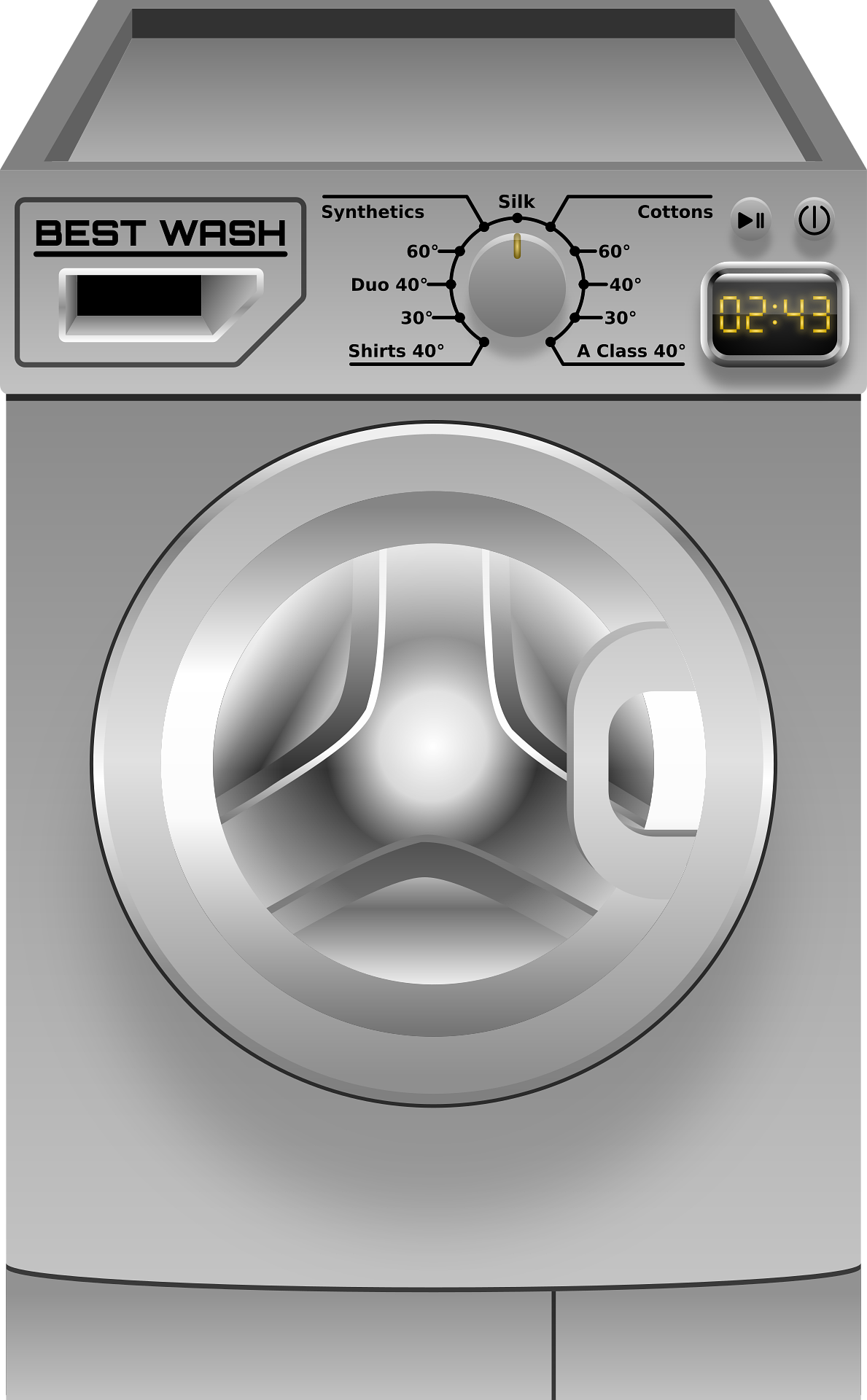
An automatic washing machine is now one of the most important household appliances for modern homes. It saves time ,and it reduces physical effort too, plus it gives really good cleaning results with just a few simple steps. If you are a student, a working professional, or even a homemaker, learning how to use an automatic washing machine in the right way can make your daily routine easier and honestly more efficient than before.
A lot of people buy advanced washing machines but somehow do not use them the proper way. Like, they might use the wrong detergent, fill the drum too much, or pick the wrong wash program. That can reduce the machine’s performance ,and sometimes it can even damage your clothes. So understanding the proper usage of an automatic washing machine is not only “nice”, it actually supports better washing quality, extends the life of your appliance, and yes it can help you save electricity and water as well.
This guide will walk you through the whole process of using an automatic washing machine, in a simple, professional , and more human style.
Understanding an automatic washing machine
An automatic washing machine does most of the work on its own. That means from washing and rinsing ,to spinning ,and yes drying… the machine handles the majority of steps, with minimal human involvement.
Usually there are mainly two kinds of automatic washing machines:
Fully Automatic Washing Machine
This type completes every step by itself, in a single tub. You just load the clothes, add the detergent , choose the program , and then start.
Semi-Automatic Washing Machine
This one uses separate tubs for washing and drying. Here you need a bit of manual assistance ,because you have to shift the clothes between tubs.
Fully automatic machines are typically more liked, because they are convenient , and they save a lot of time.
Step by step guidance for using an automatic washing machine
1. Sort your clothes properly
Before you turn the machine on, separate your clothes based on:
Color
Fabric type
Dirt level
Wash white clothes separately from colored ones, because color bleeding can happen, and it’s hard to fix afterward. Delicate items like silk or wool should be washed with gentle settings ,not strong cycles.
Sorting your laundry the right way protects the fabric, and it usually improves washing results a lot.
2. Check clothing labels
Every garment has washing advice written on its label. Those labels explain:
Water temperature
Drying method
Ironing guidance
Suitable wash cycle
If you ignore those labels , you might end up damaging delicate items or causing shrinking, which is annoying and fully avoidable.
3. Load the machine correctly
Put the clothes evenly inside the drum. Avoid overloading it ,because it can:
Lower cleaning performance
Create extra strain on the motor
Cause too much vibration
Also, don’t wash tiny loads over and over, because it wastes water and electricity, even if the load feels “small”.
A balanced load helps the machine run smoothly ,and it often cleans better.
4. Add the right detergent
Use a quality detergent that is made for automatic washing machines. Most machines have compartments for:
Detergent
Fabric softener
Bleach
Never add too much detergent ,because it can create extra foam and leave residue on the clothes. Residue on fabric is basically a mess, that you can see later.
Liquid detergents are often a good option for delicate fabrics and cold washes.
5. Select the appropriate wash program
Modern washing machines come with different cycles, depending on fabric and cleaning needs.
Common programs usually include:
Wash Program Best For
Normal Wash Everyday clothing
Quick Wash Lightly soiled clothes
Delicate Wash Soft and sensitive fabrics
Heavy Wash Towels and jeans
Eco Mode Energy-saving washing
Choosing the right program matters. It protects fabrics , and it improves cleaning efficiency without making everything complicated.
6. Set water temperature
Water temperature affects how effective the wash will be.
Cold water generally works best for delicate clothes and colored fabrics.
Warm water fits regular laundry pretty well.
Hot water is best for heavily soiled items ,and for bedsheets.
Using extremely hot water for every fabric can damage clothing materials, even if your detergent is good.
7. Start the machine
After you set everything, press the start button. Then the machine begins the washing automatically.
While it’s running:
Try not to open the lid unnecessarily
Keep children away from the machine
Do not unplug the machine during the cycle
Many automatic machines also show the remaining wash time on the display.
8. Remove clothes immediately after washing
When the cycle ends, take the clothes out soon, because leaving them inside can lead to wrinkles and a bad smell.
Shake the clothes gently before drying, it helps reduce crease
Then you can
Air dry the clothes, if you can
Or use the dryer function if your machine has it
Good drying keeps clothes fresh , and it helps support longer durability too.
Tips for keeping an automatic washing machine working the right way
Clean the drum, like once a month
Run a drum cleaning cycle, or use a vinegar solution to lift grime , and that detergent buildup. If you skip this, stuff ends up sticking in there
Keep the door open after use
After you use it, leave the door a little ajar so moisture dries off faster, and you lower the chance of mold forming inside the machine. Small thing , but it helps
Clean the filter regularly
The filter gathers lint, hair, and small particles . Cleaning it on a routine schedule helps the machine run smoother, and last longer
Avoid using too much detergent
Somehow it looks like more is better but nope. More soap does not always mean cleaner clothes. Too much detergent can clog things up and make the whole wash less effective
Check the water pipes and hoses
Just do a quick look for leaks or cracks, before they become a thing. This helps stop unpleasant water damage later, you know
Common mistakes to avoid (seriously)
A lot of people end up harming the washer without even noticing it. These are the usual slipups :
Overloading the machine, it throws off the balance
Mixing heavy fabric with delicate fabric , like tossing everything in one go
Using the wrong type of detergent, not matching what the washer needs
Ignoring maintenance, especially filter cleaning , and it slowly builds up
Washing coins or other metal objects with clothes , it feels harmless until it isn’t
Even tiny precautions can boost the machines lifespan, more than you’d think , honestly
Benefits of using an automatic washing machine
Automatic washers have a whole set of advantages, and yeah , that’s why they’re so common
Time saving
Laundry gets done faster, without you standing there scrubbing manually and watching the clock
Energy efficient
Newer models often use less water and electricity compared to older ones , which is nice
Better cleaning results
With more advanced wash programs, you usually get a deeper clean, not just “sorta ok”
Fabric protection
Special cycles help care for delicate clothing, so items last longer instead of wearing out early
Convenience
You can do other tasks while the machine handles the washing by itself , and you don’t have to babysit everything
All these reasons make automatic washing machines a must-have household appliance
Conclusion
Getting to grips with how to use an automatic washing machine correctly is pretty straightforward once you know the basics. Sorting clothes, picking the right detergent , and choosing suitable wash cycles all matter. Each step supports better cleaning, and a longer life for the unit
If you keep up with regular care, and handle things thoughtfully , your washing machine should keep running efficiently for years. A well-used machine saves time, cuts energy waste , and helps your clothes stay fresh, clean, and properly cared for
Follow these practical tips and you can operate your automatic washing machine almost like a pro, with less stress each day
Frequently Asked Questions (FAQs)
How much detergent should I use in an automatic washing machine?
Use the amount listed on the detergent package. If you use too much , you may notice excessive foam and detergent residue on clothes
Can I wash all the clothes together?
No. Separate by color and fabric type. This helps prevent fading , damage , and color transfer
How often should I clean my washing machine?
At minimum , clean the drum and filter once a month
Is hot water safe for all fabrics?
Not always. Hot water can shrink some clothes and damage delicate items. Check the garment label first , every time
Why is my washing machine vibrating too much?
Usually it’s from overloading, uneven load distribution , or the machine not being level, and not positioned properly