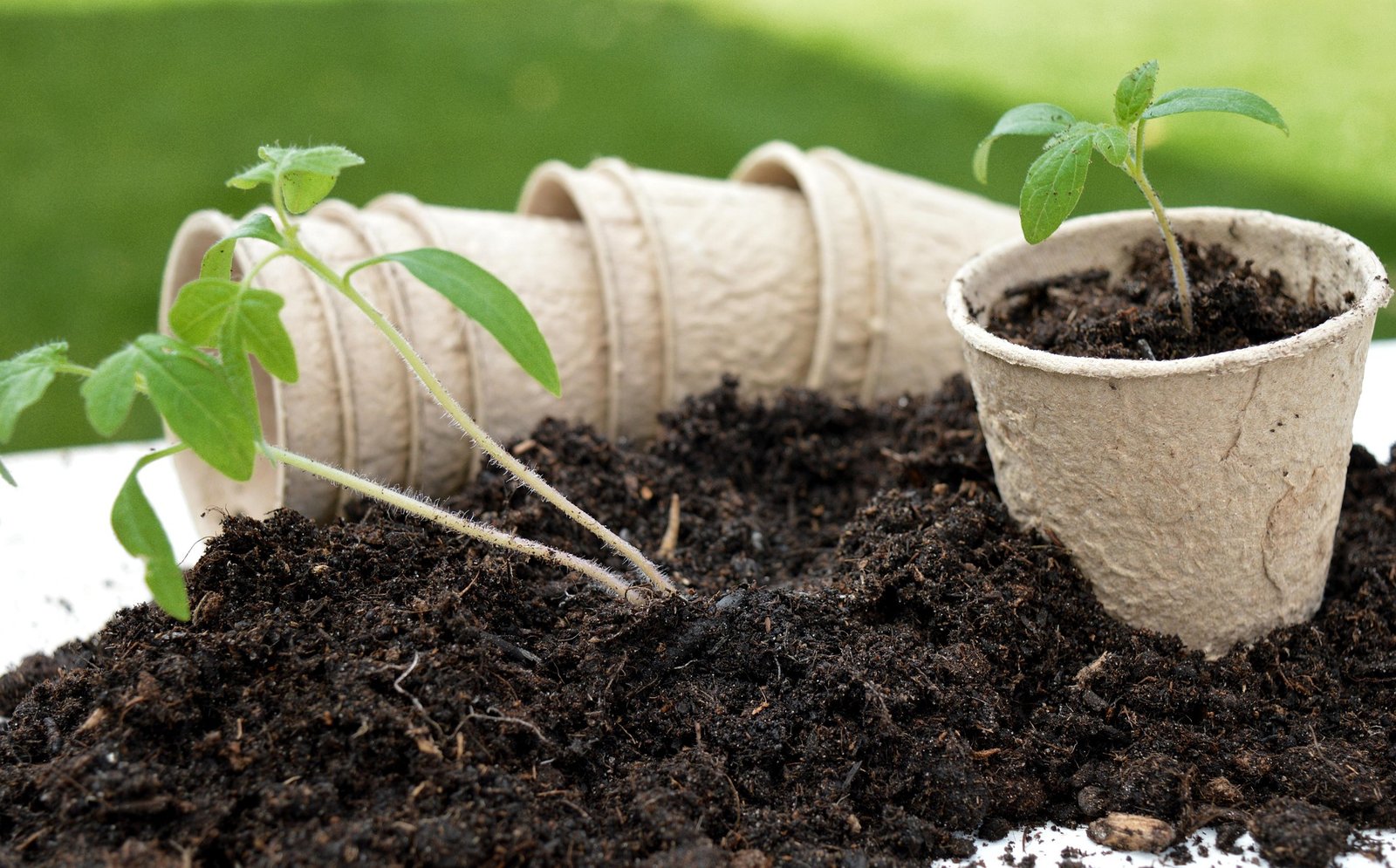
Growing Plants at Home, Without a Garden: The 2026 Guide that Actually Works
So, yeah, living in an apartment, or even having a home with no backyard doesn’t automatically mean you lose the whole idea of growing plants. If you’ve only got a sunny balcony, a small window, or like that cozy corner inside the living room, you can still put together some kind of mini indoor garden. These days, modern gardening tools and approaches make it way easier to raise herbs, vegetables, flowers, and those decorative plants even if space is kinda tight.
And honestly, indoor gardening isn’t only some “cute hobby” people do, it can help air quality, lower stress, and add this natural vibe to your everyday life. With a bit of planning plus steady attention, most people can keep plants healthy without needing a classic yard setup.
Why Grow Plants Indoors? (Not just, for Looks)
Growing plants inside gives you benefits way beyond decoration. You get a fresher environment, plus you can garden almost year round, even when the weather outside is being difficult or unpredictable.
Some common advantages are:
- Better indoor air quality
- Less stress and anxiety
- Fresh herbs and vegetables right there
- Prettier home decoration
- More balanced humidity levels
- A fun, calm pastime
- Works really well for apartments and smaller homes
Even if you’re new, you can still manage, as long as you choose plants that match your light situation and the size of your room. That part matters a lot, like more than people think.
Step 1: Choose the Right Location
First thing, find the right spot. Most house plants want enough sunlight, but the real amount varies a ton depending on the plant.
Some good placement ideas include:
South-facing windows
East-facing windows for softer morning light
Bright balconies
Kitchen windows
Home office spaces with natural light
And if your home doesn’t get much sun, it’s not a deal breaker. LED grow lights are often pretty affordable, and they provide the light spectrum plants need, to stay strong and healthy.
Before you set everything permanently, just pay attention to how sunlight travels through your space. Like where it hits in the morning, then later in the afternoon, and how that shifts across the week. Kinda like a slow moving map.
Step 2: Pick Suitable Plants for Indoor Growing
Not every plant does well indoors, obviously. So going with beginner friendly options is the easiest path, because otherwise it turns into frustration fast. You don’t want to spend weeks caring, and then nothing works.
Herbs
Herbs are some of the simplest plants to raise indoors, and they usually give quick results.
Beginner options:
Basil
Mint
Parsley
Coriander
Oregano
Thyme
Most of these don’t take up much room, and you can harvest regularly without ruining the whole plant in the process. It feels almost effortless.
Vegetables
Some vegetables can surprise you, they grow really well in containers and don’t always need “real garden” conditions.
Try these:
Cherry tomatoes
Lettuce
Spinach
Green onions
Radishes
Compact, or even dwarf varieties, are especially handy if you’re in an apartment and trying to maximize every inch.
Decorative Plants
If your main goal is home decoration, then consider the more decorative types:
Snake Plant
Spider Plant
Peace Lily
Pothos
ZZ Plant
Rubber Plant
Philodendron
These usually handle indoor life better than you’d expect, and they often need less attention than many people assume at first.
Step 3: Select the Right Containers
Containers matter more than most people assume, because they affect drainage , root growth, and how fast soil dries out.
Look for pots that:
Have drainage holes
Fit the plant size
Let roots spread naturally
Stop waterlogging
Container material choices include:
Plastic
Ceramic
Clay
Fabric grow bags
Reused containers with drainage holes
Also, always use a tray underneath pots. That helps protect your floor from leaks , and it keeps things tidy.
Step 4: Use High-Quality Potting Mix
Regular garden soil is often too heavy for indoor containers.
Instead, use a quality potting mix that gives:
Strong drainage
Moisture retention
Essential nutrients
Many gardeners upgrade their potting mix by adding things like:
Perlite
Coco peat
Vermiculite
Compost
Good soil usually means healthier roots, and healthier roots lead to stronger growth.
Step 5: Get a Handle on Your Plant’s Light Needs
Light is, like… one of the biggest deals for indoor gardening. If the light level isn’t right, even careful watering won’t really be enough for long, i mean the plant will still struggle.
Most plants sort into kinda three main groups:
Full Sun
They usually need around 6–8 hours of direct sunlight.
Examples:
Tomatoes
Basil
Peppers
Partial Sun
About 4–6 hours of sunlight tends to work best.
Examples:
Mint
Parsley
Lettuce
Low Light
These plants can do okay with indirect lighting , nothing too intense.
Examples:
Snake Plant
ZZ Plant
Pothos
Tip: try rotating your pots about once a week, so the growth stays even and they don’t start “leaning” toward the brighter side like they’re actively searching for it.
Step 6: Water It Properly
Overwatering is probably the #1 indoor gardening mistake people keep making.
Before you water:
Check that top inch of soil first.
Water only when it actually feels dry.
Easy watering rules, remember:
Water deeply, not the quick little sips often.
Pour out any extra water from trays.
Don’t let the roots sit in standing water.
Use water that’s close to room temperature.
Since different plants have different routines, it’s smarter to check the specific plant’s needs rather than just guessing.
Step 7: Feed Your Plants (Not Too Much)
Indoor plants basically depend on what’s already in their pot. There’s no “outside soil” helping them out, and no hidden nutrients just appearing out of nowhere.
You can feed them using stuff like:
Organic compost
Liquid fertilizer
Seaweed extract
Vermicompost
Balanced indoor plant fertilizer
Most indoor plants do well with fertilizing every 2–4 weeks while they’re actively growing.
Just don’t go overboard though , too much fertilizer can damage roots, and then recovery slows down.
Step 8: Keep Humidity in the Right Zone
Indoor air can get really dry, especially when AC or heating is running nonstop.
Ways to boost humidity include:
Keeping plants together (grouping them)
Using pebble trays
Misting plants that prefer higher humidity
Ferns and peace lilies, in particular, often seem to love that extra moisture.
Step 9: Watch the Temperature
Most indoor plants seem happiest around:
18°C to 27°C (65°F–80°F)
Try not to set plants near:
Air conditioners
Heating vents
Fireplaces
Drafty windows
If temperatures swing suddenly , it can stress them out, and that usually shows up as slower growth or weird leaf problems.
If you want, tell me which room you plan to use (and the window direction), how many hours of light you get, and what plants you’re thinking about, and I can help you pick a solid starter setup.
Step 10: Prune Often
Pruning sort of helps the plant, yeah it keeps it healthier and it grows fuller more evenly, it matters.
Every so often, remove
Yellow leaves,
Dead flowers
Weak stems
Damaged branches
And also harvest herbs pretty frequently, so you get new shoots coming out faster, kinda quicker.
A plant that stays maintained, usually looks better and feels more vigorous.
Step 11: Keep an Eye on Pests
Even indoor plants can still run into pest problems, it happens.
Some common culprits are
Aphids
Spider mites
Fungus gnats
Mealybugs
Whiteflies
Check the leaves weekly, don’t just guess, and don’t wait.
Natural options you can try include
Neem oil spray
A mild soap solution
Sticky insect traps
Catching pests early helps you prevent bigger infestations later, honestly.
Step 12: Repot When Needed
At some point plants start outgrowing their containers, even the happiest ones.
You should think about repotting when you notice
Roots growing through drainage holes
Soil drying super fast
Slow, stalled growth
A root-bound container
Move it into a pot that’s only slightly larger than the old one. Because if you jump too much in size, it can leave extra moisture sitting around.
Smart Indoor Gardening Tips
Nowadays modern technology can make indoor gardening feel way easier, less guesswork, and more predictable.
Helpful tools often include
LED grow lights
Self-watering pots
Soil moisture meters
Smart irrigation systems
Indoor hydroponic kits
With these, busy homeowners can keep plants healthy with less effort, and fewer surprises.
Common Mistakes to Avoid
A lot of beginners, unknowingly, cause trouble for their plants.
Try to avoid these mistakes
Overwatering
Using containers with no drainage holes
Choosing plants that don’t match indoor conditions
Ignoring light requirements
Forgetting to wipe dust off leaves
Crowding too many plants together
If you learn from those issues, your gardening results can improve fast.
Best Plants for Beginners
If you’re just starting, these picks are reliable and pretty forgiving.
Plant | Difficulty | Light
Snake Plant | Very Easy | Low Light
Pothos | Easy | Indirect Light
Spider Plant | Easy | Bright Indirect
Mint | Easy | Partial Sun
Basil | Moderate | Full Sun
Aloe Vera | Easy | Bright Light
Peace Lily | Easy | Low to Medium Light
Overall, these plants need relatively little maintenance, yet they still give great results.
Final Thoughts
Growing plants at home, even with out a real outdoor garden, is kinda easier than most folks think. If you get the right containers, a decent potting mix, reliable lighting , and keep up steady care, then yeah, even a small apartment can turn into a kind of lush green corner.
If what you want is fresh herbs, small compact vegetables, or simply that bold leafy look in your rooms, indoor gardening can really open a lot of doors for you.
Most of the time success isn’t about having a massive patch of ground. It’s more about figuring out what the plants crave, then putting together the right little setup around them. Begin with a few beginner friendly types, get comfortable through regular attention , and only after that expand slowly , over time. Before you know it you’ll spot healthier growth, fresher air, and that calm good feeling of tending something living right inside your home.
Frequently Asked Questions (FAQs)
So, how much sunlight do indoor plants actually need?
Most indoor plants usually want about 4 to 8 hours of light each day, depending on the plant. If your home lighting is really mild or just kinda spotty, LED grow lights are a pretty dependable alternative.
What’s the biggest mistake beginners keep making?
Overwatering. It’s basically the most common issue. Before you water again, check the soil moisture first,so you don’t end up with root rot, and that can happen fast. After that, things go downhill pretty quick.
Do indoor plants need fertilizer?
Sort of , yeah. Most indoor potting mixes are kinda low on nutrients, so they benefit from a small “feeding” rhythm every 2–4 weeks while they’re actively growing. That little nudge can keep things vigorous, and the routine stays pretty consistent too.
Which indoor plants are easiest for beginners?
Snake plants , pothos, spider plants, peace lilies, aloe vera, and mint are all solid starter options. They’re sturdy , and you don’t have to stand there hovering over them all day, like really.
https://fieldreport.caes.uga.edu/publications/B1318/growing-indoor-plants-with-success/